TPT WEEKLY
Transpacific Rates Keep Rising. Where Will Cargo Go After Golden Week Blank Sailings?
2026 W38 · September 14–20 TPT WEEKLY · Nick Market information as of September 19, 2026, 11:03 Beijing time
Rates rise on both coasts, at different speeds
The September 18 Shanghai Containerized Freight Index (SCFI) assessments for US West Coast and US East Coast base ports are shown below. Both are spot benchmarks for exports from Shanghai, quoted in USD/FEU (per 40-foot container) and including ocean freight and related surcharges. [1]
Scroll across to compare all columns
| Lane | Sep 18 | Sep 11 | Change | WoW |
|---|---|---|---|---|
| USWC | 7,560 | 7,339 | +221 | +3.01% |
| USEC | 10,579 | 10,479 | +100 | +0.95% |
The USWC weekly increase widened from 1.34% to 3.01%, while the USEC gain narrowed from 1.50% to 0.95%. West Coast rates gained momentum this week. East Coast rates continued to rise, but their weekly gains were getting smaller. [1]
That creates two separate tests for the near-term outlook: whether the faster USWC increase can continue, and whether holiday schedule adjustments can help USEC rates hold as their gains narrow. The latter concerns capacity on future sailings, on a different coast and in a different time window from the September 18 USWC price movement.
SCFI provides a price reference for Shanghai exports. Comparing actual quotes from other Chinese ports requires matching the port pair, equipment, charge terms and sailing window. A late-September departure and a Golden Week departure offer transport at different times.
For Golden Week USEC sailings already covered by blank-sailing notices, the first effect is a change in sailing options. Any support for higher rates depends on whether alternative sailings can accommodate the cargo within its original departure window. Cancelling a voyage has very different market effects when cargo can move on time on another sailing and when it must compete for space on adjacent departures.
MSC announced a Golden Week adjustment to its Emerald service this week and said it was arranging alternatives through other services. Both parts of the plan matter when assessing whether cargo originally scheduled to leave China will simply change vessels, move on a different date, or compete for less available space. [2]
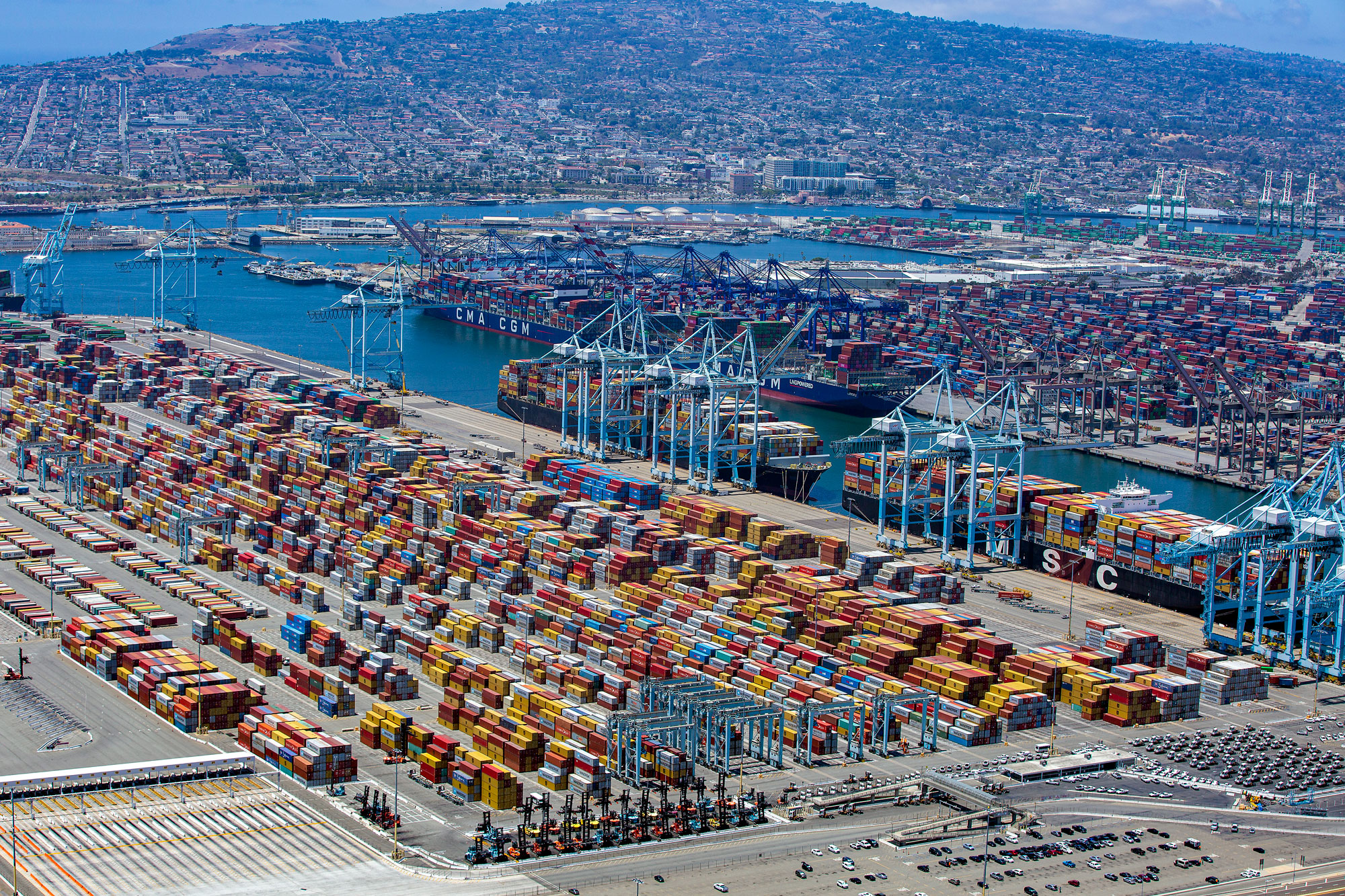
Where does the Emerald cancellation change supply?
In its September 14 advisory, MSC said it planned to blank Emerald voyage 12E, listed as W41, citing an anticipated slowdown in demand during and after Golden Week. It also said it was arranging contingency plans through alternative services. The notice describes MSC's supply plans for upcoming holiday sailings. [2]
Under the rotation MSC announced in April for introduction from May, Emerald serves Yantian and Xiamen before US East Coast ports including Charleston, Savannah and New York. Yantian and Xiamen are two Chinese calls on the same service; the notice concerns one planned blank sailing. [3]
A planned cancellation can coexist with rising rates this week. Prices reflect the current market, while MSC's adjustment addresses expected holiday demand later on. If holiday shipments decline, removing a voyage can concentrate cargo on the remaining sailings and reduce empty space. Support for rates comes from better utilization of those sailings, with the effect depending on how much cargo volume and available space each decline.
Cargo may also shift between weeks. Freight assigned to the cancelled sailing might move earlier or later, taking space on adjacent departures that would otherwise be available for new bookings. Even if there is enough capacity to move all the cargo over several weeks, demand for space can concentrate within a particular delivery window. Such pressure would first affect specific ports and sailings.
An alternative service is not the same as space that meets the original delivery date
For cargo originally booked to move on Emerald from Yantian or Xiamen, an effective alternative must meet the same basic requirements: loading at the original port, reaching the required destination, and offering departure and arrival dates that fit the delivery deadline. Keeping a port in the service network does not automatically preserve the original sailing window. A later sailing may move the cargo without meeting its original arrival date.
If other services have enough space at roughly the same time, the cancellation will primarily mean a change of vessel or routing. With little cargo spilling into later departures, the cancellation provides less local support for rates.
If cargo is mainly accommodated by moving it later, shipments that must meet their original deadlines will compete for fewer options, making rates easier to maintain on those sailings. Cargo that can wait moves into a later booking window. These different timing requirements could leave earlier sailings firmly priced and later departures softer, even within the same carrier's offerings. This is a scenario to test against subsequent schedules and bookable space.
The composition of cargo on the remaining sailings also matters. Cargo transferred from a cancelled voyage can temporarily raise load factors. Once it has moved, sustained rate support still depends on new bookings. Treating a full sailing created by transferred cargo as evidence of strengthening demand risks turning temporary pressure around holiday schedules into excessive optimism about the following weeks.
This also changes how quotes should be compared for the affected cargo from Yantian and Xiamen. A lower rate available only with later delivery carries a time cost. If several sailings can still accommodate cargo within a similar delivery window, the cancellation imposes much less of a constraint on that shipment.
The next three weeks will test prices and replacement schedules
From late September into early October, the next SCFI releases will test whether the faster USWC gains continue and whether USEC increases narrow further. If rates on either coast turn lower, and lower quotes consistently accommodate cargo on matching port pairs, equipment, charge terms and sailing windows, the assessment of near-term price strength on that coast should be revised down. The significance of an isolated low quote depends on how much cargo it can consistently accommodate.
For holiday USEC sailings, the tests are more specific: whether the Emerald plan changes, which sailings serve as replacements at Yantian and Xiamen, whether substantial cargo is pushed back, and how much space remains for new bookings after transferred cargo is accommodated. Ample alternative space within a similar departure window would make the main effect a reshuffling of schedules. If cargo concentrates on fewer sailings and new bookings continue to fill the remaining space, there would be grounds to extend the assessment of rate support to those USEC departures.
This article is for market reference only and does not constitute a freight quotation or a commitment of space. Charges, sailing dates and available space remain subject to actual quotations and arrangements confirmed by the carrier.
Key sources
1. Shanghai Shipping Exchange: SCFI methodology. Lane figures: Anue, September 18, Economic Daily, September 18, Anue, September 11 and September 4.
2. MSC: September 14 Golden Week sailing programme for Emerald.
3. MSC: April 16 Asia–US East Coast service changes and rotations.
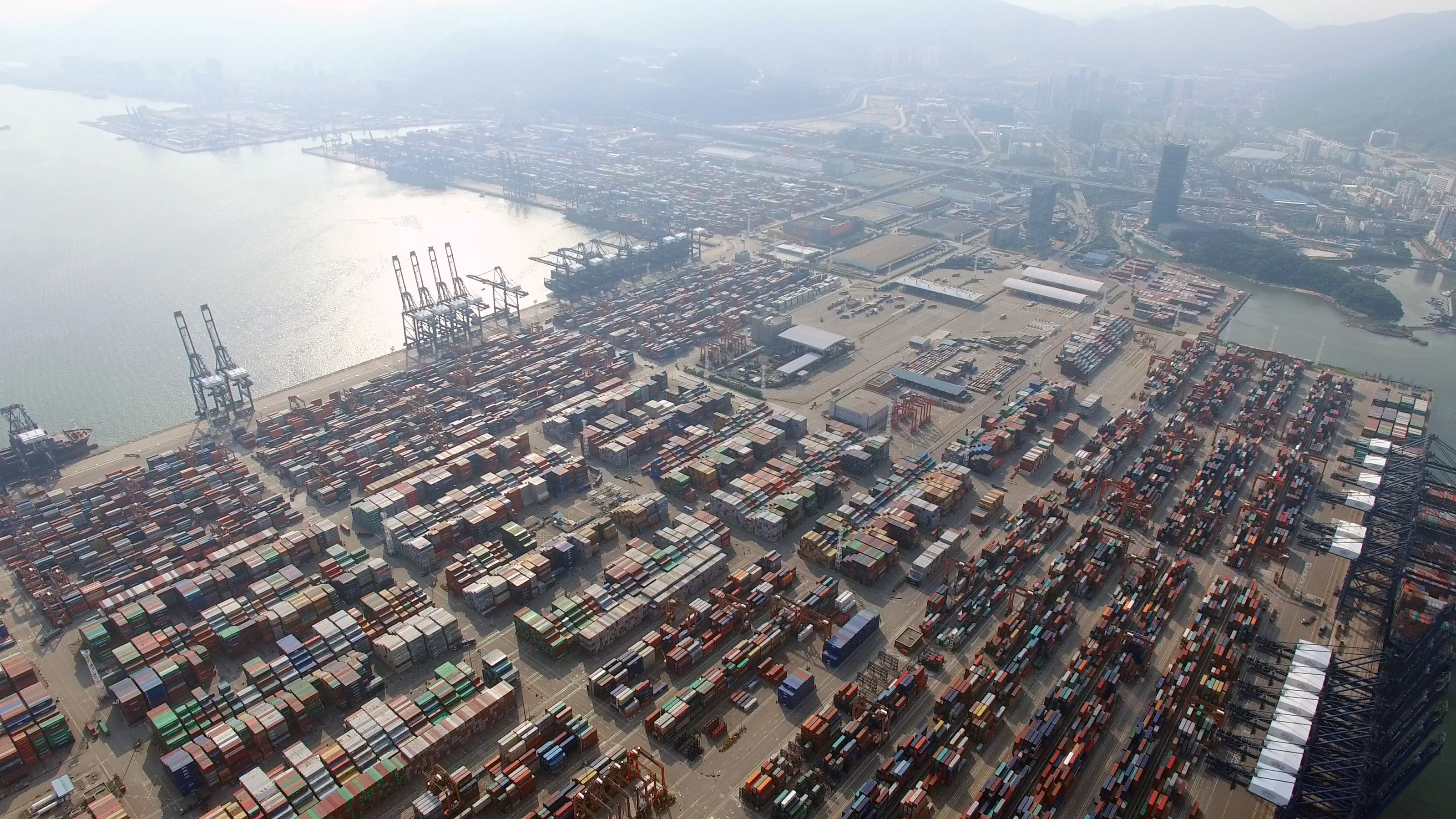
Image attribution: Yantian port photograph © Gigel.atat, via Wikimedia Commons, licensed under CC BY-SA 4.0; unmodified.
← Back to Insights