TPT WEEKLY
Transpacific Rates Rise as Imports Hold Firm. Can Blank Sailings Sustain the Gains?
2026 W37 · September 7–13 TPT WEEKLY · Nick Market information as of September 12, 2026, 21:30 Beijing time
The outlook for September US imports has been revised sharply higher, while transpacific spot rates continue to rise. On September 11, the Shanghai Containerized Freight Index (SCFI) reached USD 7,339/FEU for US West Coast base ports and USD 10,479/FEU for US East Coast base ports, up 1.34% and 1.50% week on week, respectively.
Both lanes posted smaller gains than in the previous week. Golden Week blank sailings are already planned, and Freight Right reports that some lower offers still come with limited space. An extended peak in import arrivals has coincided with higher rates, but arrival forecasts alone cannot establish how much fresh cargo is available to support later sailings.
As backlogs clear, the balance between new bookings and space released by recovering schedules will shape rates over the next 1–3 weeks.
September's upgrade does not extend to October
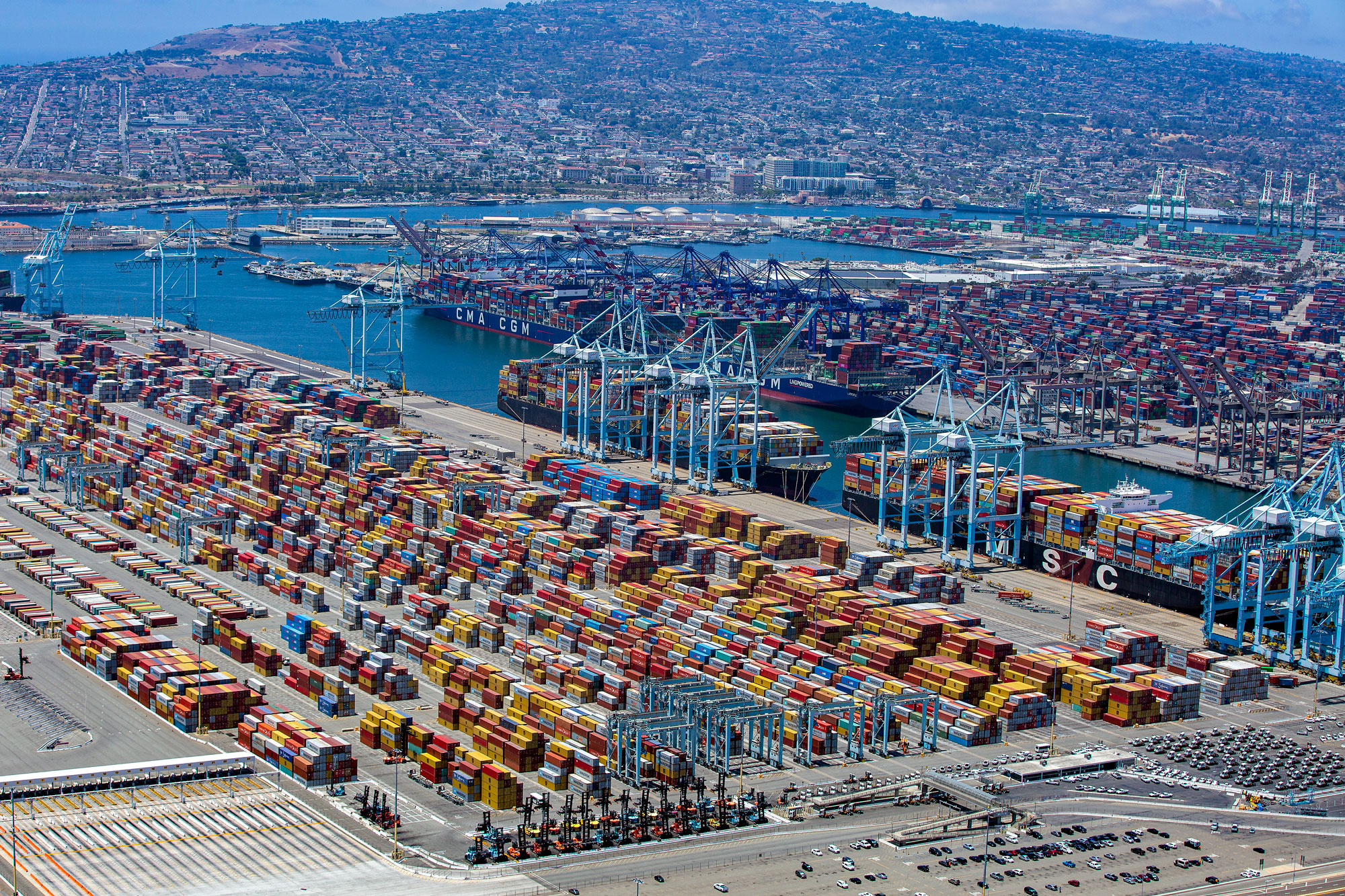
On September 9, the National Retail Federation (NRF) and Hackett Associates raised their Global Port Tracker forecast for September imports at the major US ports it covers to 2.31 million TEU. That is 150,000 TEU, or about 6.9%, above the 2.16 million TEU projected on August 7. Actual September volumes have not yet been reported. (NRF, September 9; August 7)
NRF attributes some of the later arrivals to weather-related shipping delays in China and cargo routed away from the Panama Canal. Continued consumer spending and retailer replenishment also support volumes. Delayed shipments and fresh cargo are both extending the peak season; their respective contributions have not been quantified.
Cargo arriving in the US in September reflects shipments arranged earlier. Delays have shifted some arrivals between months and kept cargo in transit longer. A later arrival peak does not necessarily imply a corresponding increase in new bookings from China today.
Data released by Descartes on September 10 put August US container imports at approximately 2.604 million TEU, up 3.8% month on month. Imports of Chinese origin reached roughly 884,000 TEU, up 1.3%, while China's share fell from 34.8% in July to 34.0%. US imports remain elevated, and Chinese-origin volumes are also growing, though more slowly. (Descartes, September 10)
These origin data describe cargo that has already reached the US, a different measure from current bookings at Chinese ports of loading (POLs). Descartes and NRF also cover different sets of imports, so the gap between their totals is not directly comparable.
NRF trimmed its October forecast from 2.13 million to 2.11 million TEU, below September. September's arrival peak has lengthened; October's outlook has not been raised with it. The forecast does not yet signal a further extension of the peak season. It also tracks US arrivals, which lag demand for departures from China.
USWC and USEC rates rise, but gains narrow
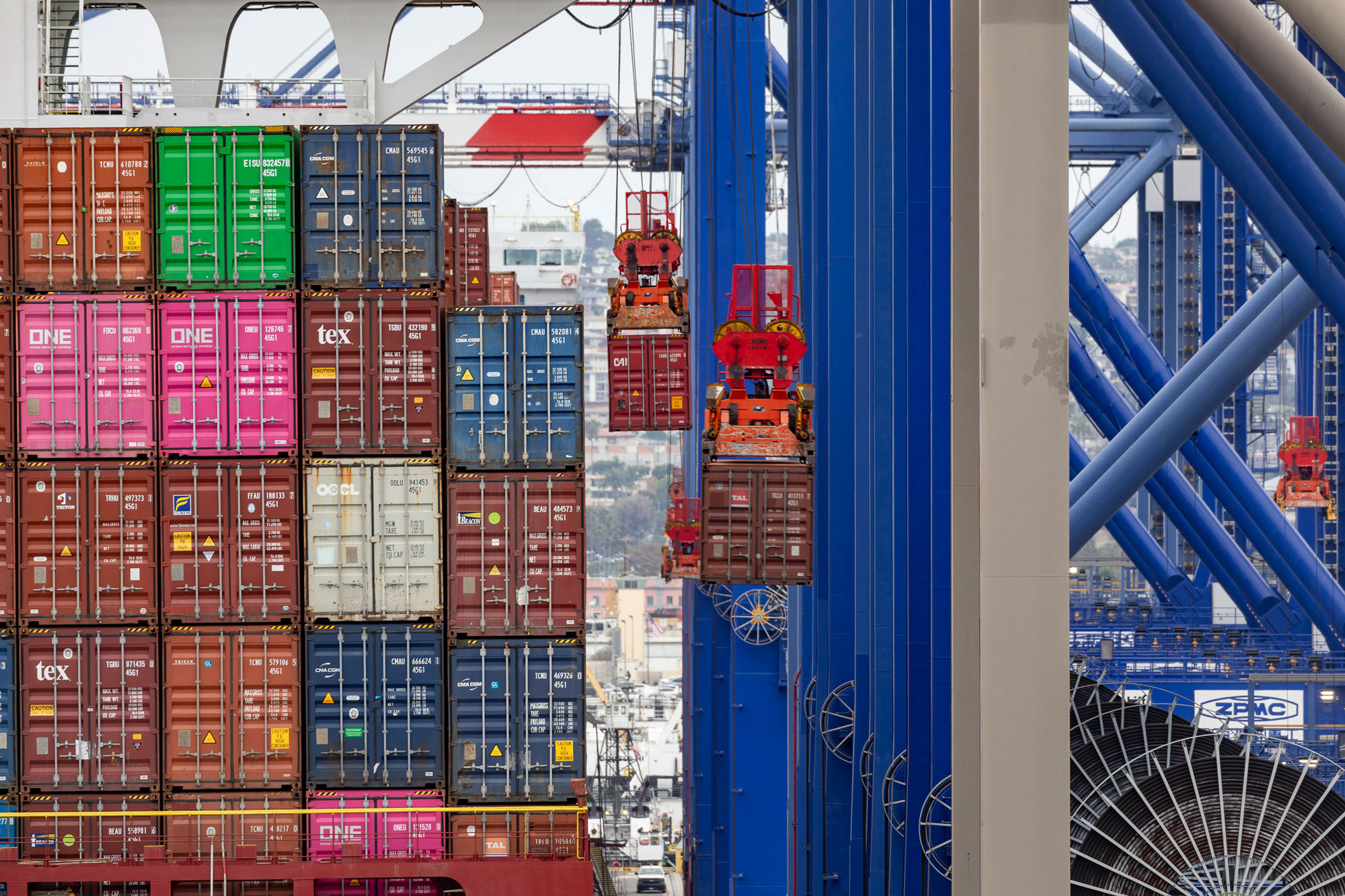
The September 11 SCFI assessment put US West Coast (USWC) base-port rates at USD 7,339/FEU, against USD 7,242/FEU on September 4: a weekly increase of USD 97, or 1.34%.
US East Coast (USEC) base-port rates reached USD 10,479/FEU, up from USD 10,324/FEU: an increase of USD 155, or 1.50%. Both assessments are per 40-foot container. (SCFI figures: Anue, September 11; September 4)
Rates continued higher on both coasts, but the weekly dollar increases narrowed from USD 302 for USWC and USD 278 for USEC in the preceding week. SCFI measures published spot freight levels from Shanghai to base ports, including ocean freight and related surcharges. Actual bookings still depend on the port pair, sailing date, charge terms and available space. (Shanghai Shipping Exchange: SCFI methodology)
In its September 9 market update, Freight Right reported that some lower rates remained available, but space was limited, particularly to the US East Coast. Within the market observed by this forwarder, a low quote did not necessarily translate into enough space for a larger shipment. (Freight Right, September 9)
For the same port pair, equipment, charges and sailing window, lower quotes become stronger evidence of easing prices when they can consistently accommodate cargo. A promotional rate attached to a small allocation may not be available for an entire shipment.
The continued rate increases are consistent with reports of constrained space, giving carriers some near-term support in holding prices. Yet gains have narrowed, and there is insufficient evidence that another round of increases can take hold broadly. The support from Golden Week blank sailings will depend on how much bookable space remains after cancellations and whether fresh cargo fills it.
Available space is still shifting ahead of Golden Week
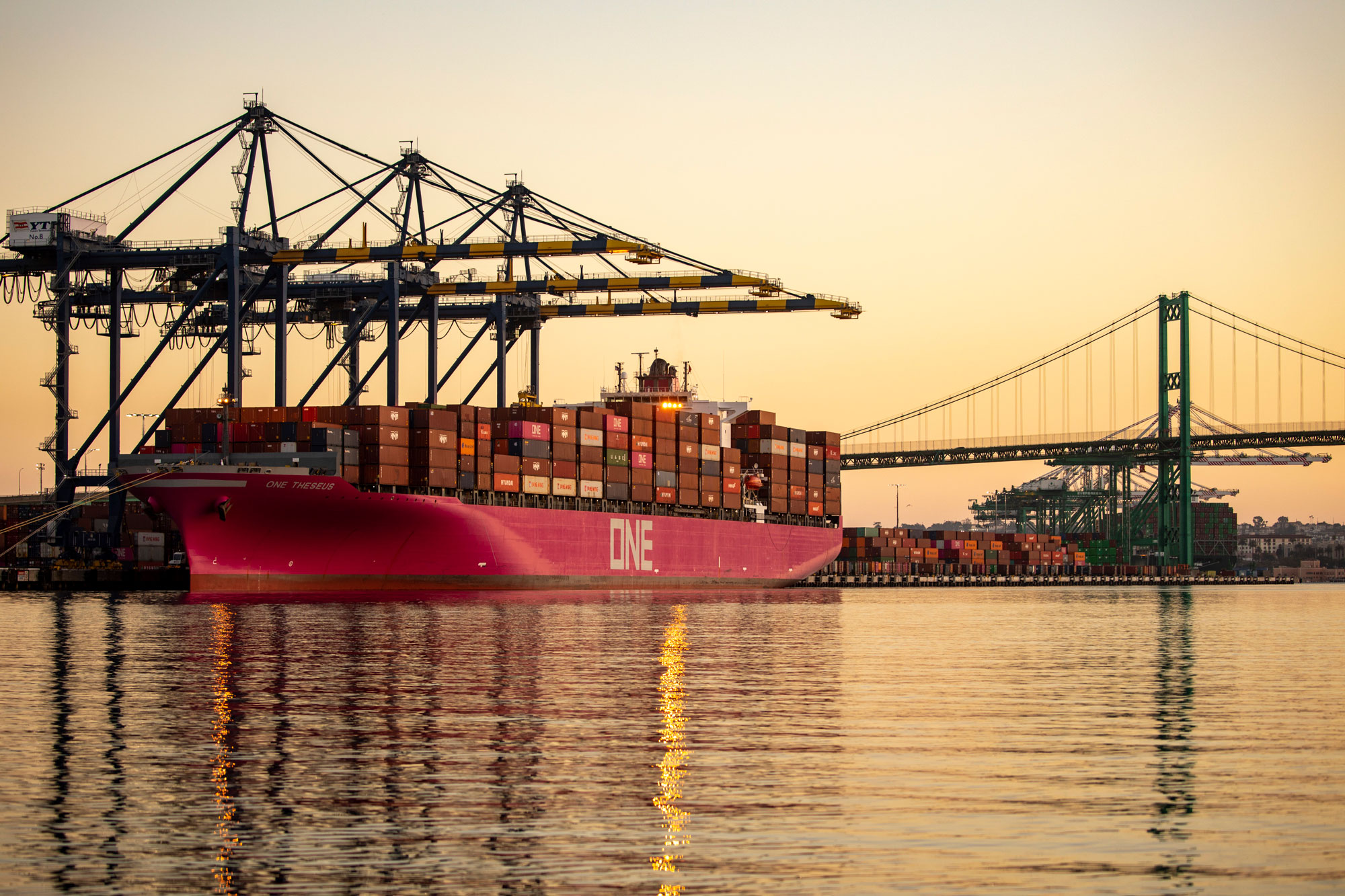
On September 11, Drewry reported that 79 of 721 scheduled sailings on the major east–west trades were expected to be cancelled between September 14 and October 18, or W38–W42, approximately 11%. Transpacific eastbound services accounted for 52% of those cancellations. That share refers to expected cancellations across the covered trades; the figures also include origins outside China. (Drewry, September 11)
For a specific Chinese POL, Maersk's August 28 Golden Week advisory lists eastbound TP12 voyage 641E as a planned blank sailing, with its first-port departure from Ningbo originally scheduled for October 9. The carrier also plans additional calls on other sailings to maintain port coverage. (Maersk schedule advisory)
Alternative sailings, extra sailings, vessel substitutions and changes to port calls can all alter the space available after a blank sailing. Cancelling a voyage does not necessarily remove the service's full nominal capacity from a particular port.
Services routed through Panama to the US East and Gulf coasts also face a booking adjustment on September 15. Under the Panama Canal Authority's August 20 advisory, total daily reservation slots fall from 34 to 32 for booking dates beginning September 15. The reduction applies to Panamax slots; Neopanamax slots remain at 9. A September 4 follow-up advisory maintained the maximum authorized Neopanamax draft at 48 feet (14.63 metres, tropical fresh water), postponing the reduction to 47.5 feet originally scheduled for October 1. Reservation slots affect transit scheduling, while draft limits affect vessel loading. Their effects vary by service, and no data yet quantify a resulting loss of China–US East Coast space. (ACP A-29; ACP A-33)
Schedule disruption is also affecting space. Maersk's September 9 market update reiterated the Golden Week arrangements and said typhoon-related cargo backlogs in Asia could still take several weeks to clear, with recovery varying by port and service. (Maersk, September 9)
Recovery will test the strength of new bookings
Full sailings may carry both fresh cargo and shipments left behind earlier. Once terminals resume operations, late vessels, backlogs and subsequent sailings still need to be brought back into sequence. As backlogs clear, load factors on later departures become more dependent on new bookings.
Rates retain near-term support over the next 1–3 weeks, but the case for sustained, accelerating increases is limited. Rising SCFI rates on both coasts and limited space at some lower offers support that assessment. Narrower gains and an October arrival forecast that has not been raised limit how far demand optimism can be carried forward.
If recovering schedules release space faster than fresh cargo arrives, quotes will come under pressure and more space may become available at lower rates. If blank sailings offset the recovery in supply and new bookings fill the remaining space, rates could stay firm. Beyond September's extended arrival peak, carriers' ability to hold prices will be tested by actual bookings on subsequent sailings.
This article is for market reference only and does not constitute a freight quotation or legal, tax or customs advice. Applicable rates, space and policy requirements remain subject to actual quotations, carrier notices and the latest rules from the relevant authorities.
← Back to Insights