Shipping lessons · Container condition
A wet container at the factory: the cost of checking too late
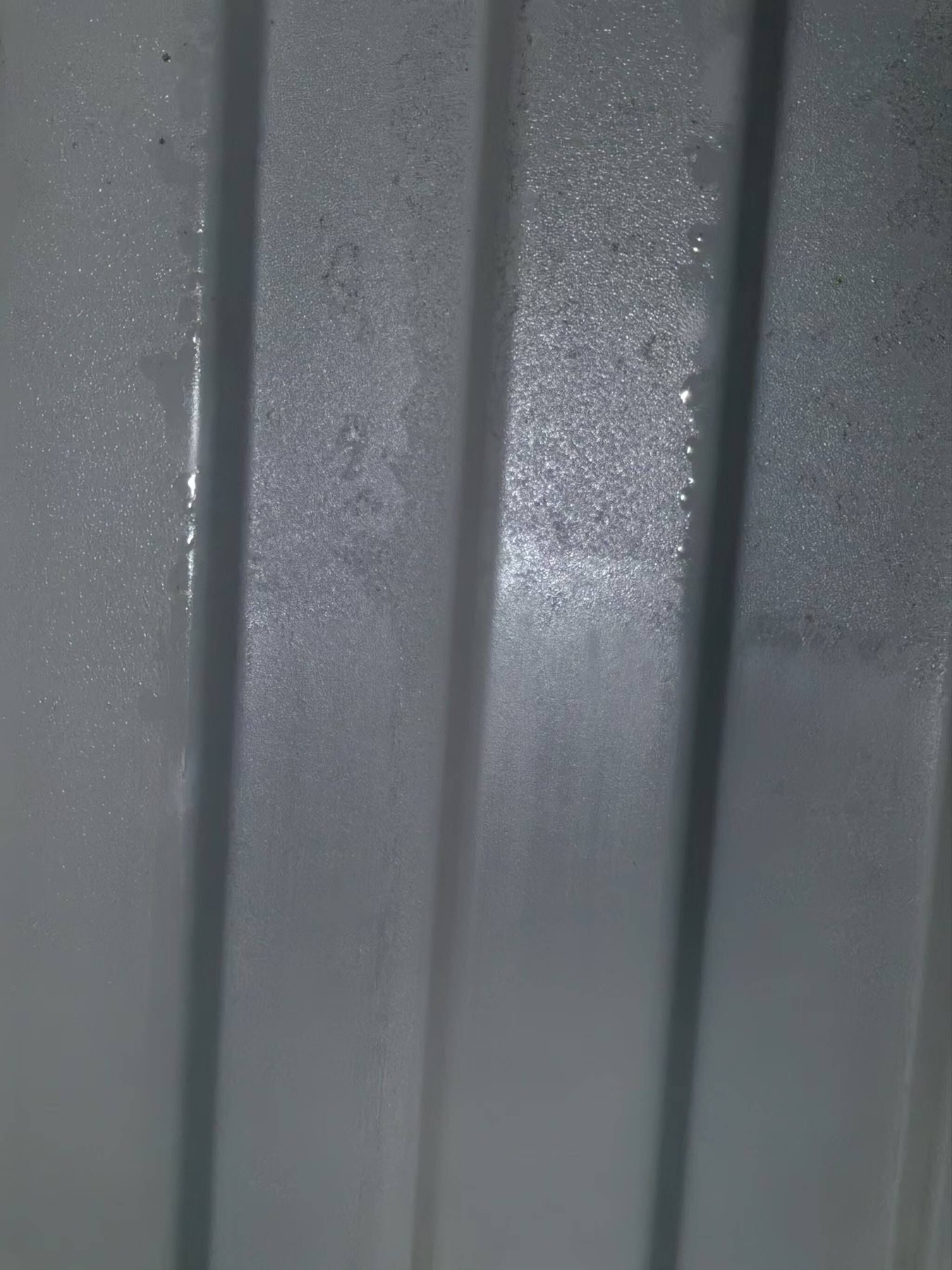
A 40-foot high-cube container arrived for a shipment of sofas and home furnishings with water droplets inside. Wiping, waiting, a return trip and a paid replacement followed. For importers, the lesson is practical: agree on container condition before collection, because resolving it at the factory can cost more than the replacement fee.
- Route
- Yantian, China → Long Beach, USA
- Cargo & equipment
- Carton-packed home furnishings · 1 × 40HQ
- Resolution
- Empty returned; replacement arranged for a fee
How the replacement unfolded
The empty reached the factory. The moisture remained.
A shipment of sofas and home furnishings was booked in one 40-foot high-cube container from Yantian to Long Beach. The goods were packed in cartons, and the factory needed a dry interior. When the empty container arrived at the factory, water was found inside, interrupting the loading arrangements.
That afternoon, the factory wiped the interior and waited about 20 minutes. Moisture was still present. Staff recorded videos before and after wiping and asked whether the container had been washed without being fully dried. With sofas and cartons waiting to be loaded, the factory was concerned about using it. The customer requested a replacement.
Further checks found rust. The truck turned back.
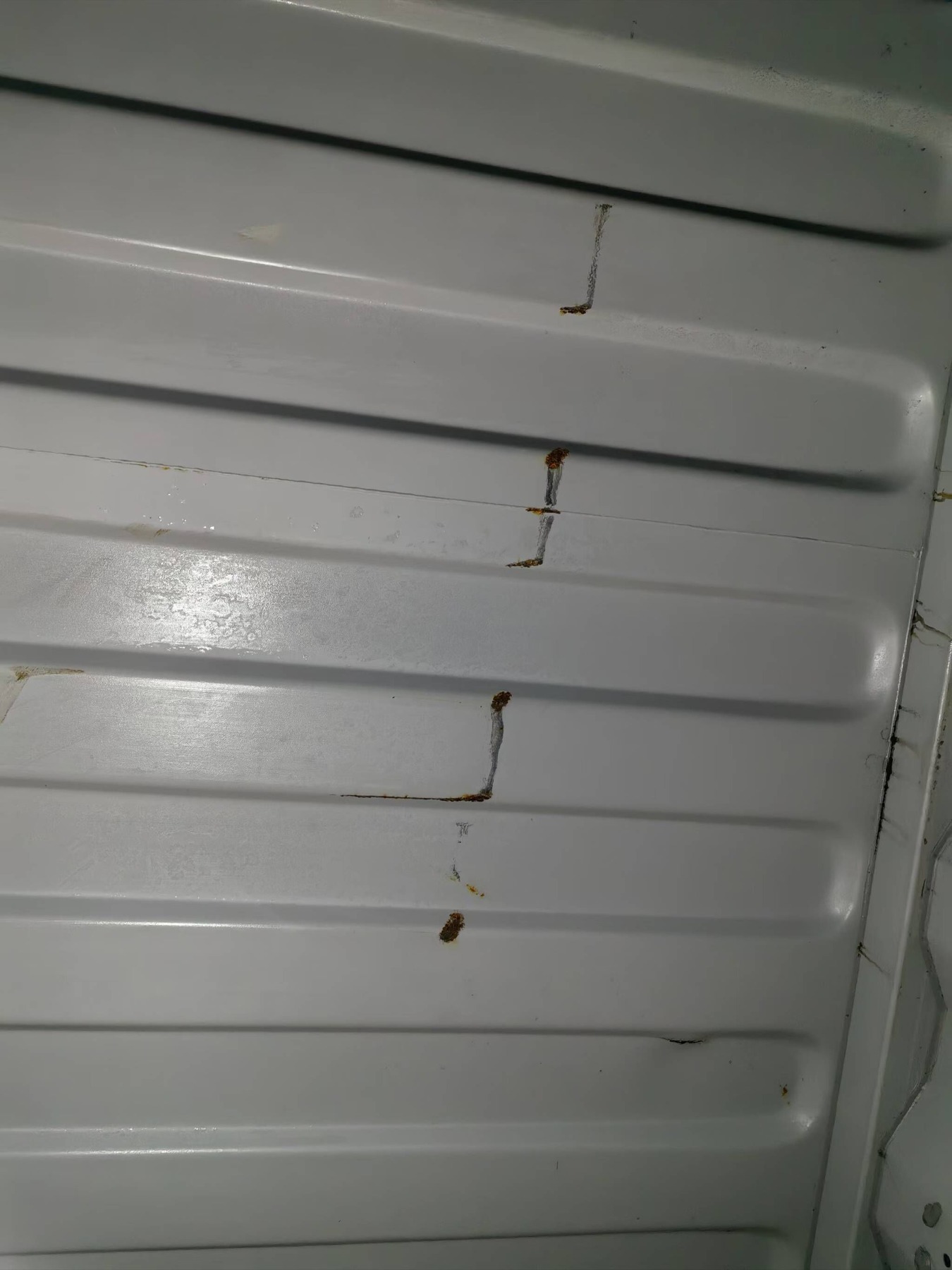
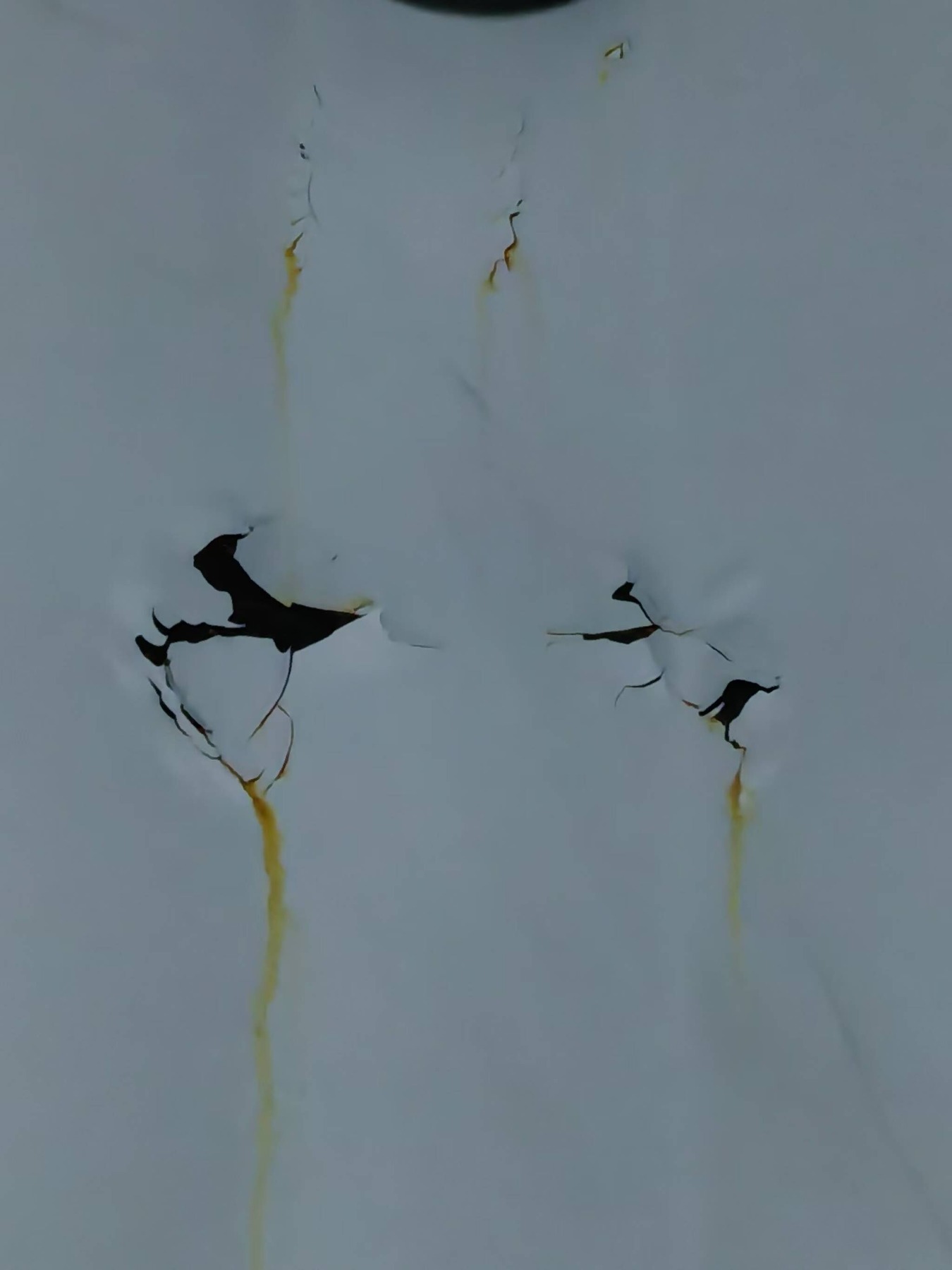
Additional photographs and video showed rust and damaged paint inside the container. The site team raised concerns about possible water ingress during transport and asked for these conditions to be reported to the carrier. By a follow-up that afternoon, the driver was already heading back towards the terminal, and the replacement request was being escalated.
Wiping away the visible droplets was no longer the only issue. The factory did not want to load this container, and the driver had left the loading site. What should have been one connected sequence—collection, delivery to the factory and loading—now required an empty return, a wait for instructions and another equipment arrangement. A more suitable replacement still had to be coordinated with the carrier and depot.
The carrier treated it as cargo-worthy and declined a free exchange.
That afternoon, the carrier's equipment team attributed the moisture to temperature differences and asked the depot to check whether the container was cargo-worthy. The depot replied that it met its cargo-worthy standard, adding that units were being released as repairs progressed and no dry container was available at that time. We reiterated that the cargo was carton-packed home furnishings, that water inside was unacceptable for the shipment, and requested a free replacement.
After the empty had been held at a depot overnight, the next morning's follow-up still reported water droplets, along with rust and local deformation. The factory confirmed it would not use the container. We continued requesting an empty return and a fee waiver. The carrier's final position was that its cargo-worthy assessment did not support a free exchange; a replacement would need a separate application through customer service.
A paid replacement followed, after an avoidable detour.
The following morning, customer service requested confirmation of a CNY 300 per-container charge for equipment in good condition. A fee was ultimately paid and the container was replaced. The request for a free exchange had become a paid arrangement for another empty.
The issue ran from that afternoon into the following morning. The empty had already reached the factory, the truck had turned back, and collection and loading needed to be coordinated again. The CNY 300 was the carrier's quoted equipment charge at the time; it did not represent the full cost of the return trip, waiting and operational disruption.
The same container had been accepted as cargo-worthy by the carrier and depot, while the factory refused to put moisture-sensitive furnishings inside it. For the importer, the practical lesson is to turn the cargo's materials, packaging and condition requirements into clear collection instructions before the truck is dispatched.
What importers can arrange in advance
Different goods need protection from different defects.
Focus on whether the container can protect your particular goods. Droplets may result from condensation or a recently washed interior that has not dried. Damage to panels or door seals can allow rainwater in. These need separate checks; wiping the visible moisture is only the beginning.
| Condition to check | Goods needing particular care | Potential impact |
|---|---|---|
| Moisture, droplets & wet flooring | Cartons, sofas, wood furniture & textiles | Cartons can soften and lose stacking strength. Fabric and timber may develop mould, odours or distortion. Metal goods and electronics also face corrosion and moisture damage. |
| Holes, cracks & damaged door seals | Paper products, furniture, machinery & electronics | Rainwater may enter and soak packaging or goods. A dry interior at loading does not replace a check of the roof, walls and door seals. |
| Loose rust, flaking paint, stains & odours | Light-coloured textiles, food-related cargo & finished surfaces | Loose particles, transferable stains and persistent odours can contaminate packaging or goods. Surface rust alone does not establish a leak; check for perforation, loose scale and contamination. |
| Broken flooring, protrusions & sharp edges | Palletised goods, heavy equipment, sacks & soft packaging | Defects may puncture packaging, weaken pallet support or interfere with forklift operations. Arrange depot attention or a replacement before loading. |
For moisture-sensitive cargo, a suitable empty is the starting point. Goods, cartons, wooden pallets and dunnage should also be dry. Select moisture barriers and desiccants for the cargo and journey; desiccants cannot substitute for fixing leaks or drying a wet container.
Set the requirements—and the authority to act—before collection.
Give the factory clear container requirements
Specify a dry, clean container, free from persistent odours, water ingress and defects that affect safe loading. Include the cargo's sensitivity to moisture or contamination in the loading instructions. Agree who stops loading, who receives the photographs, and who can authorise a replacement and its costs.
Pay the forwarder to apply to the carrier when needed
If your cargo needs equipment in better condition, ask the forwarder to apply in advance. Confirm additional charges, availability and collection location. A paid request still requires a physical check. Start the discussion before an unsuitable empty reaches the factory.
Arrange paid checks and coordination with the driver at the depot
Agree on container inspection, selection and on-site coordination services with the trucking company, including the service fee. Require photographs and video before the truck leaves. If a problem is found, the driver should contact the forwarder and depot and follow the depot's process for rectification or replacement before proceeding to the factory.
Keep clear photographs, continuous video and a record of the decision.
Capture the container number, a full interior view, roof, walls, floor, door seals and close-ups of defects. Keep continuous video, timestamps, interchange records and handling instructions. The factory should check again on arrival. These records let a remote importer participate in the decision before loading starts.
If the factory will not coordinate it, we can help.
We can help define the condition requirements, apply to the carrier for suitable equipment, arrange trucking checks and on-site handling, and compile photographs and video for your review. Application, inspection and replacement charges are explained in advance so you can follow the condition and handling of the empty before your goods are loaded.
Buying FOB? Container condition still matters to you.
In common FOB arrangements, the factory side organises container collection and loading. Yet the condition of that container directly affects the goods the importer receives. As the first layer of protection on a long journey, it deserves the importer’s attention.
Replacing an empty at the factory adds return trips, another collection and waiting time for loading crews. Shipping in an unsuitable container can have greater consequences: wet damage, contamination and disrupted deliveries that may be difficult to put right.
Specify the condition requirements in advance, arrange checks through the forwarder and trucking company, and keep photographs and video. Resolve defects before loading to reduce the risk that an overlooked problem compromises the goods or their final delivery.