Freight Notes 02
A delayed sailing. A higher freight rate?
On a shipment from Huangpu via Yantian to Baltimore, the critical date was when the loaded containers could be received at origin.
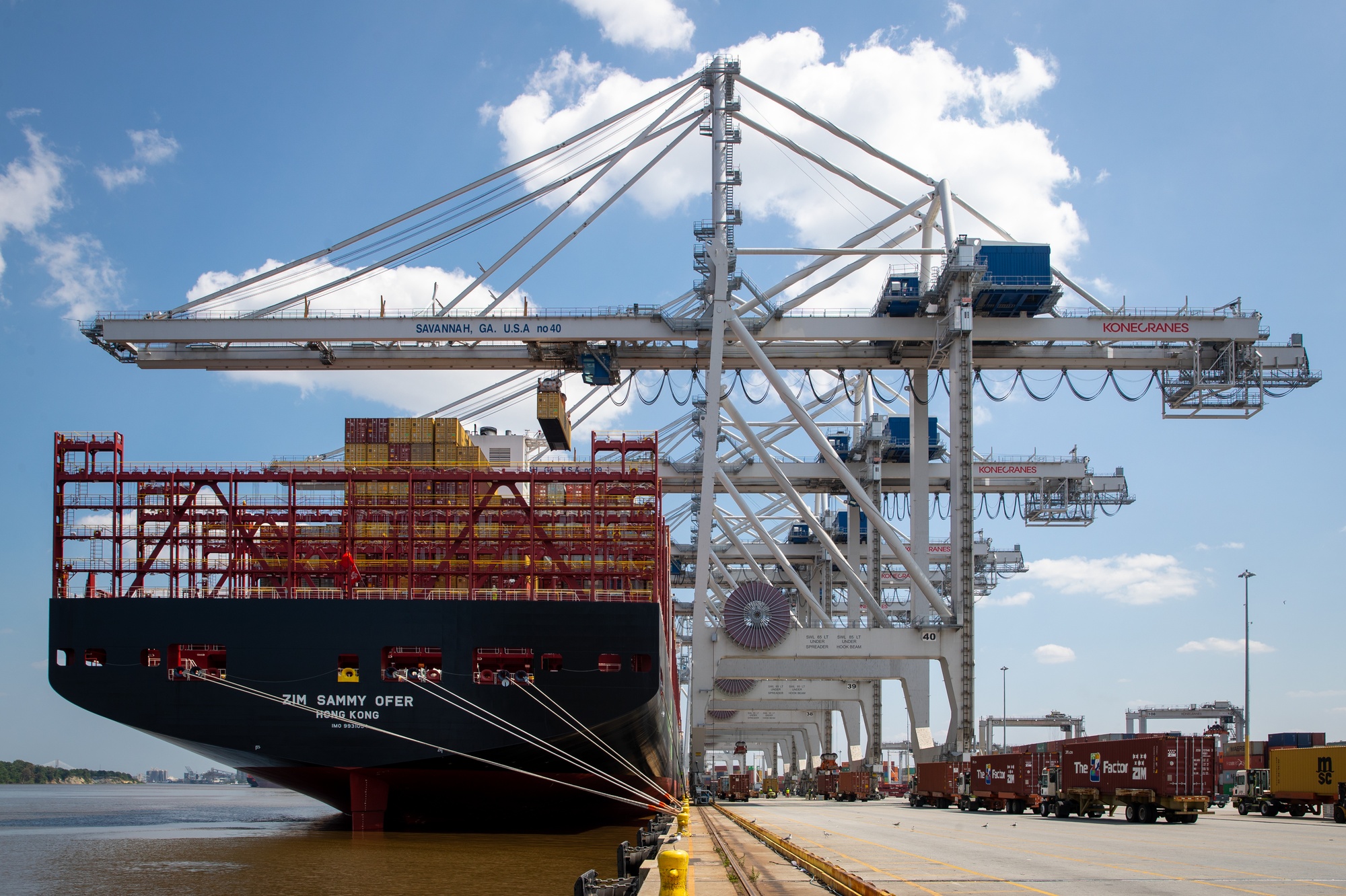
In September 2026, I helped coordinate a booking for two 20-foot general-purpose containers on ZIM's Z7S service, with MSC MARSEILLE / 1W as the main vessel. At booking, departure from Yantian was scheduled for September 22.
Our ocean freight quotations to the customer covered two rate periods:
| Rate period | Per 20GP | Amount for two containers |
|---|---|---|
| September 1–14 | USD 9,180 | USD 18,360 |
| September 15–30 | USD 9,580 | USD 19,160 |
The difference was USD 400 per container, or USD 800 for the shipment.
There was a timing problem. Based on the information available then, September 14 was also the expected earliest date for delivering the loaded containers into Yantian. The receiving window was expected to open on the lower rate's final day.
A receiving window can move with the vessel
My assessment at the time was that congestion at Yantian made a later vessel arrival a significant risk. The receiving arrangement I was working with was ETB-7: a window tied to the vessel's estimated berthing date.
ETB means estimated time of berthing. ETD means estimated time of departure. Subtracting seven days from the sailing date does not establish when the terminal will accept a container. The receiving arrangement for that sailing needs to be checked separately.
If berthing moved back, the earliest receiving date could move with it. A plan built around September 14 gate-in could then cross into the next rate period.
There was little room for that movement. Waiting also meant leaving the goods in the warehouse while the receiving date remained uncertain.
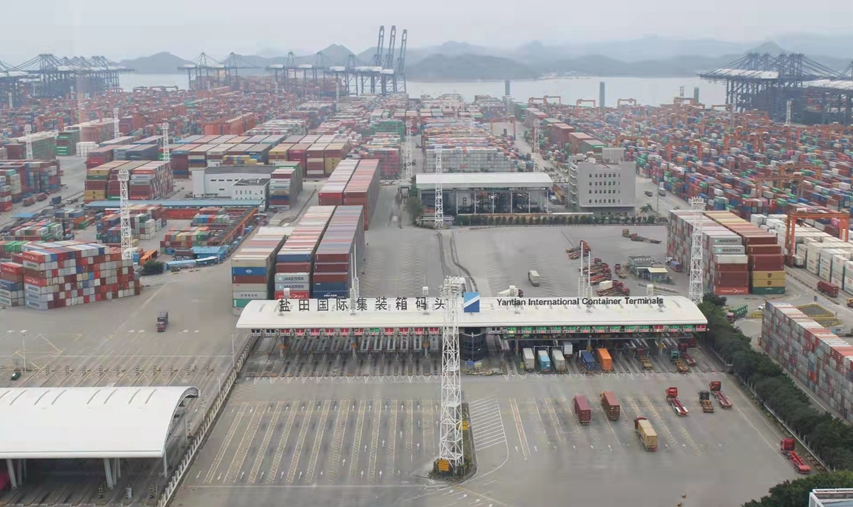
Why we chose the Huangpu barge connection
I worked with the customer to choose a barge connection from Huangpu:
Loaded-container gate-in at Huangpu → barge to Yantian → main vessel to Baltimore.
Under this shipment's rating arrangement, loaded-container gate-in at the barge's origin port was the relevant step for qualifying for the first-half September rate. Receiving the containers at Huangpu reduced dependence on the main vessel's receiving window at Yantian and allowed the goods to leave the warehouse and enter the transport chain.
Both containers gated in at Huangpu on September 14, securing the first-half rate corresponding to our customer ocean freight quotation of USD 9,180 per 20GP. The quotation's validity was supported by the actual gate-in date.
There is an FMC basis for using cargo receipt in rate application. Under 46 CFR 520.7(c), applicable tariff rates, charges and rules are those effective when the carrier or its agent receives the cargo, including originating carriers in through transportation. The receiving point and the quotation's conditions still need to match the shipment's actual arrangement. FMC rule
The choice had two objectives: qualify for the lower rate and relieve pressure on warehouse space. The barge connection and loading onto the main vessel still needed follow-up. Earlier gate-in alone would not make the main vessel sail earlier.
The departure estimate later moved to September 29
A subsequent schedule update moved the expected departure from September 22 to September 29.
That movement gave practical context to the receiving-window risk I had identified. Gate-in at Huangpu on September 14 allowed the first-half rate to apply. The barge connection and loading onto the main vessel still required follow-up.
For an importer, the useful question to ask before a quotation expires is:
If the vessel is delayed again, where and when can the cargo be received for the quoted rate to apply?
Asking early leaves time to coordinate the factory, warehouse and origin transport.
Preserving a USD 800 ocean freight price advantage
The first-half customer quotation of USD 9,180 was USD 400 per container below the second-half quotation of USD 9,580—a USD 800 difference for the shipment. Actual gate-in on September 14 allowed the lower rate to apply.
That USD 800 is an ocean freight quotation difference. A barge connection also brings additional costs. The customer's net saving depends on the complete agreed quotation, after accounting for any extra charges borne by the customer. The ocean rate difference alone does not establish the shipment's total saving. Releasing warehouse space can have additional operational value.
For the consignee, the value also lay in assessing the terminal's receiving window, a moving vessel schedule and warehouse pressure together before the rate expired—and coordinating a workable way to deliver the containers. Both containers met the gate-in deadline for the first-half rate.
For your next shipment, confirm three things before choosing early gate-in:
- Timing: How much room is there between cargo readiness, the receiving window and rate expiry?
- Rate application: Which receiving point and date count, and must all containers be received together?
- Total cost: What additional costs must the rate difference cover, and who will follow the connection through?
First photo: Jerry Glaser / U.S. Customs and Border Protection / Public domain