TPT WEEKLY
Transpacific rates have reached a turning point, but elevated levels will persist
2026 W40 · September 28–October 4 TPT WEEKLY · Nick Market information cutoff: October 4, 2026, 23:59 Beijing time
The final SCFI release before Golden Week brought another small increase on the US lanes. On September 30, the US West Coast base-port benchmark reached USD 7,578/FEU, while the US East Coast reached USD 10,528/FEU, up 1.54% and 0.30% respectively from September 24.
The increase remained within a narrow range at elevated levels. The China–US leaders' meeting paved the way for tariff reductions on selected consumer goods, but the response in orders and cargo volumes will take time. Meanwhile, the return of services after the holiday and better Panama Canal transit conditions are beginning to change the supply constraints supporting high rates.
Transpacific rates have reached a turning point. Elevated levels will persist for a while, but the momentum for further increases is no longer sufficient.
The increase still reflects the market before the holiday
Scroll across to compare all columns
| SCFI lane | September 24 | September 30 | Change from previous release |
|---|---|---|---|
| US West Coast base ports | 7,463 | 7,578 | +1.54% |
| US East Coast base ports | 10,497 | 10,528 | +0.30% |
Unit: USD/FEU, or US dollars per 40-foot container. Percentage changes are recalculated from the two releases.
The West Coast added USD 115, returning close to its September 18 level. The East Coast added USD 31, a smaller increase. The previous release's modest decline did not continue; prices remain within a narrow range at elevated levels. SCFI covers public spot benchmarks from Shanghai to base ports. Actual booking prices still depend on the Chinese origin port, sailing, charge conditions and available space.
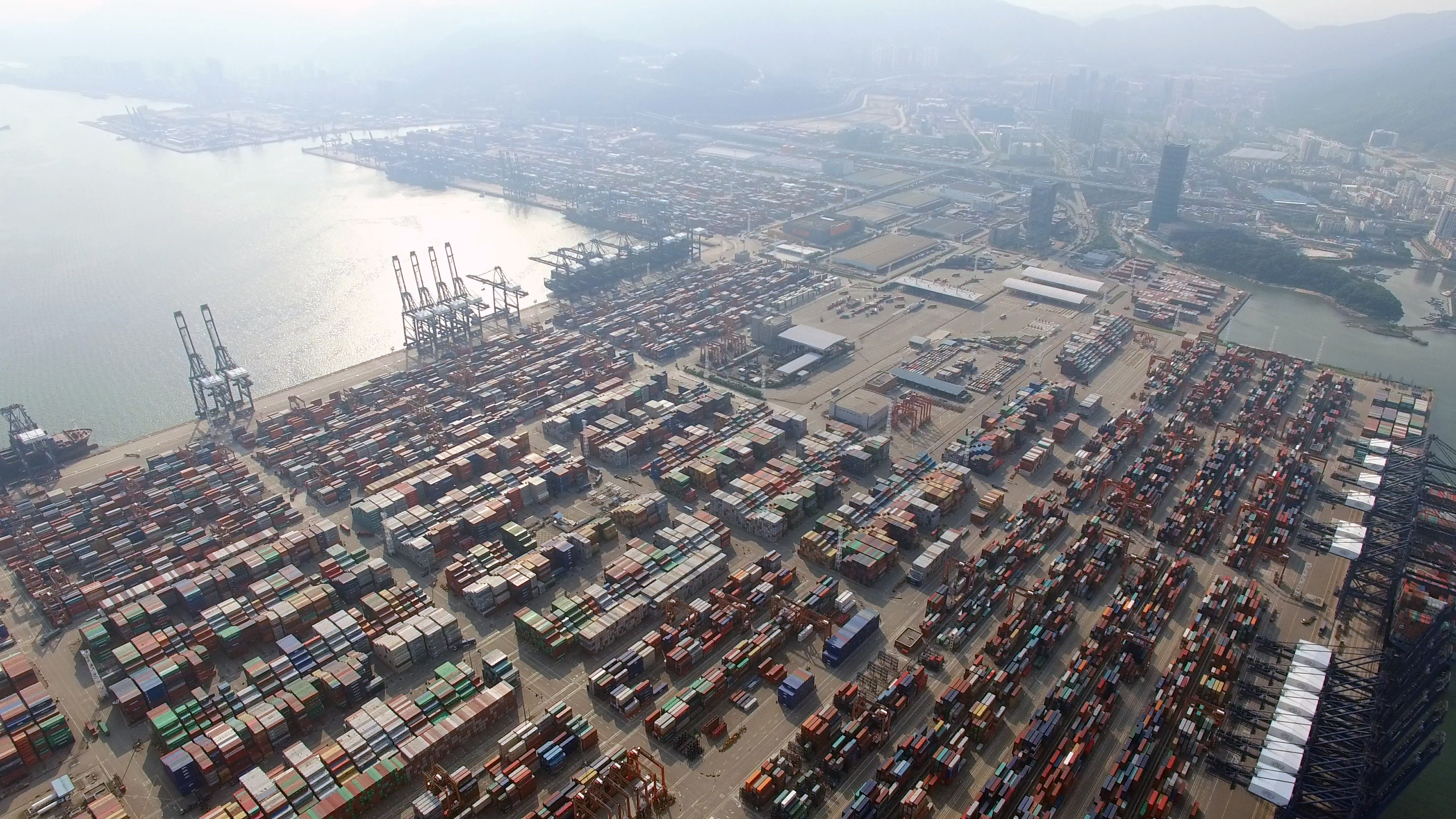
Forwarder market observations on October 1 described continued support for transpacific eastbound demand and disruption to near-term schedules from congestion at Chinese ports. Carriers had also announced increases effective October 1. How much of an announced increase can actually be collected depends on bookings for the relevant sailings.
The September 30 SCFI reflects the market before the holiday and predates those increases' effective date. It shows that pre-holiday prices did not continue falling. Whether enough new cargo can support these levels after the holiday remains to be tested on subsequent sailings.
Golden Week capacity adjustments already include specific Chinese departure windows. Hapag-Lloyd's earlier announcement listed AA7, Wan Hai A13, scheduled to depart Ningbo on October 1, as a no-sailing. Maersk listed an eastbound blank sailing for TP12 / 641E, scheduled to depart Ningbo on October 9, with alternative calls to maintain port coverage. Both are previously announced plans.
If cargo from a cancelled sailing moves into neighbouring departures, the remaining sailings may stay tight. If alternative calls and subsequent schedules can accommodate it, usable space can gradually become available. Factory shipments and mainline supply therefore need not recover at the same pace after the holiday. Booking conditions depend on the Chinese origin port, service and actual departure date.
Summit outcomes still need implementation before cargo volumes respond
The meeting's economic and trade outcomes concern the policy conditions surrounding Chinese export orders. The two sides agreed to extend the Kuala Lumpur joint economic and trade arrangements to January 10, 2027, and reached consensus on the reciprocal “30-for-30” tariff-reduction framework. Chinese products proposed for lower US tariffs include selected toys, small appliances, infant products, kitchen and bathroom goods, and festive items—categories directly relevant to transpacific container cargo.
The scope of the lists is measured using 2024 bilateral trade values. US goods imports from China that year were approximately USD 440.3 billion; the USD 30 billion covered by the list represents about 7%. This is coverage of existing trade, rather than a commitment to additional purchases. The tariff reductions still require implementation under the two countries' domestic legal procedures.
If reductions are implemented, import cost conditions for covered consumer goods would improve. Importers could then adjust purchases, release some orders held back or arrange replenishment. At present, the summit has changed policy expectations; it is insufficient grounds to conclude that orders or shipped volumes have already increased. Ordering, production and vessel loading take time. The value and container footprint of toys and small appliances are also not proportional, so roughly 7% of trade value cannot be converted directly into additional transpacific container volume.
The extension may also change front-loading. Orders brought forward because of concern over the November policy deadline have more room to be rescheduled. Some purchases of goods proposed for tariff reductions may wait until implementation timing and applicable terms become clear. Even if orders subsequently improve, shipments could be spread across a longer window rather than create another near-term booking peak.
Outcomes involving increased Chinese imports of US coal principally affect bulk shipping in the opposite direction. Any increase in China-to-US eastbound container volume still depends on actual changes in the relevant consumer-goods orders.
Port fees have a separate implementation timetable. Whether their suspension will be extended to January 10, 2027 alongside the trade arrangements still requires confirmation for the specific measures. The earlier formal suspension notice ends on November 9, 2026 at 23:59 US Eastern Standard Time. The trade-extension consensus helps stabilise carriers' cost and deployment expectations, but maritime charges should be assessed against formal changes to the relevant measures.
Panama adds a recovery variable for relevant East Coast services
Panama Canal Advisory A-36-2026 separates two changes. The maximum authorised draft at the Neopanamax locks increased to 49 feet (14.94 metres), effective immediately with the September 28 advisory. Daily reservation slots rise from nine to ten for transit dates beginning October 15. Combined daily reservation slots across the old and new locks increase to 33.
A higher permitted draft mainly affects the weight a constrained vessel can carry in a single passage. More reservation slots improve access to a transit window. These are different mechanisms; additional slots serve multiple vessel types and are not all allocated to China–US container ships.
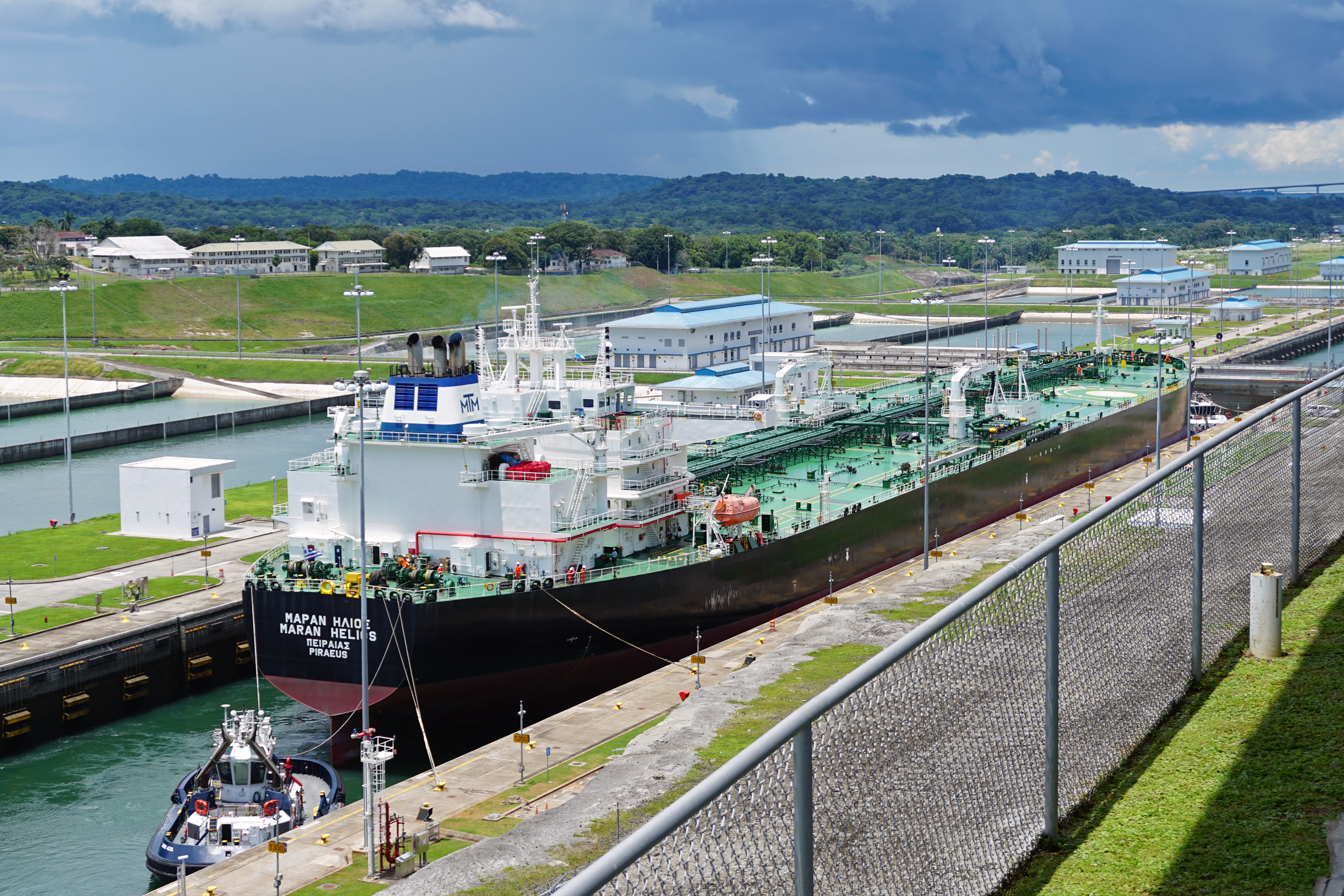
For Chinese export services reaching the US East Coast through Panama, better transit conditions could reduce draft-related load restrictions or uncertainty in the canal leg. If vessel turnaround improves, the same ships have a better chance of maintaining subsequent departures. Supply can recover through transport efficiency without waiting for carriers to add ships.
The change will filter through individual services. Vessel arrival at the canal, reservation access and conditions at other ports all affect the result. The supply improvement is concentrated in services using Panama; direct West Coast services do not follow this route.
In early to mid-October, the East Coast may therefore face two forces: Golden Week blank sailings restrict some Chinese departure windows, while improved canal conditions help services using that route recover. Which reaches bookable space first matters more than the number of blank-sailing announcements alone.
High levels can persist as momentum fades
The demand starting point is not low. August US import records show 884,318 TEU from China, up 1.7% year on year. These containers have already arrived and reflect earlier shipments. New Chinese bookings after the holiday determine how much cargo can fill subsequent sailings.
Over the next one to three weeks, Golden Week blank sailings, port congestion and earlier backlogs may continue to support prices on some departures. Current high levels can persist for a while. After the turning point, locally tight space and weak momentum for broad price increases can coexist. Continued carrier capacity restraint would slow the decline.
The summit's actual effect on cargo volumes remains to emerge. Tariff implementation, ordering and shipment are separated by time; extending the trade arrangements may also spread front-loaded cargo across a longer departure window. As normal sailings return after the holiday and turnaround constraints ease on East Coast services using Panama, the momentum for further rate increases is insufficient. Rates have reached a turning point, and a decline is a matter of time. The remaining questions are how long elevated levels will last and how quickly rates will fall.
This article is for market reference only and does not constitute a freight quotation or legal, tax or customs advice. Applicable rates, space and policies depend on actual quotations, carrier notices and the latest rules of the competent authorities.
Data and photo sources
Rate data: Shanghai Shipping Exchange SCFI; Liberty Times, September 30, September 24; Anue, September 18.
Market and demand: Flexport, October 1 market update; Descartes, August US import report.
Golden Week sailings: Hapag-Lloyd service announcement; Maersk schedule announcement.
Summit and tariffs: China's Ministry of Commerce, September 28 outcomes, reciprocal tariff framework; White House, September 25 summit outcomes, September 27 terms of reference; US Census Bureau, 2024 trade data.
Port fees: BIMCO, September 30; earlier USTR suspension notice.
Canal transit conditions: Panama Canal Authority Advisory A-36-2026, September 28.
Photo credits: Yantian port, © Gigel.atat / Wikimedia Commons, CC BY-SA 4.0; Agua Clara locks, Panama Canal, © Mario Roberto Durán Ortiz (Mariordo) / Wikimedia Commons, CC BY-SA 4.0. Both photographs are archive images. The originals have not been modified.
Back to Insights
