TPT WEEKLY
More Room for East Coast Discounts, West Coast Space Still Tight
2026 W44 · October 26–November 1 TPT WEEKLY · Nick Public-market information through November 1, 2026 at 23:59 China Standard Time; OOCL rate and space update added on November 2
U.S.-bound rates fell again this week, with a larger decline on the East Coast than on the West Coast. On October 30, SCFI base-port rates stood at USD 7,479/FEU for the U.S. West Coast and USD 10,199/FEU for the East Coast, down 0.56% and 1.82% week on week. Both routes had fallen less than 0.2% the previous week, so the declines have widened.
Scroll across to compare all columns
| SCFI route | October 23 | October 30 | Week on week |
|---|---|---|---|
| U.S. West Coast base ports | 7,521 | 7,479 | −0.56% |
| U.S. East Coast base ports | 10,388 | 10,199 | −1.82% |
Unit: USD/FEU, or U.S. dollars per 40-foot container. SCFI is a public spot-rate benchmark from Shanghai to base ports. Booking terms still depend on origin, sailing, charges and space; the OOCL 40HQ quotes below have their own scope.
Last week's report noted that larger shipments could already request spot discounts. The next question was whether carriers would offer more. Recent OOCL bookings show a clearer split: the East Coast is competing harder for cargo, while space to the West Coast and Canada remains difficult to secure. Falling prices have not brought easier bookings across every destination.
OOCL extends FAK validity as East Coast discount requests gain room
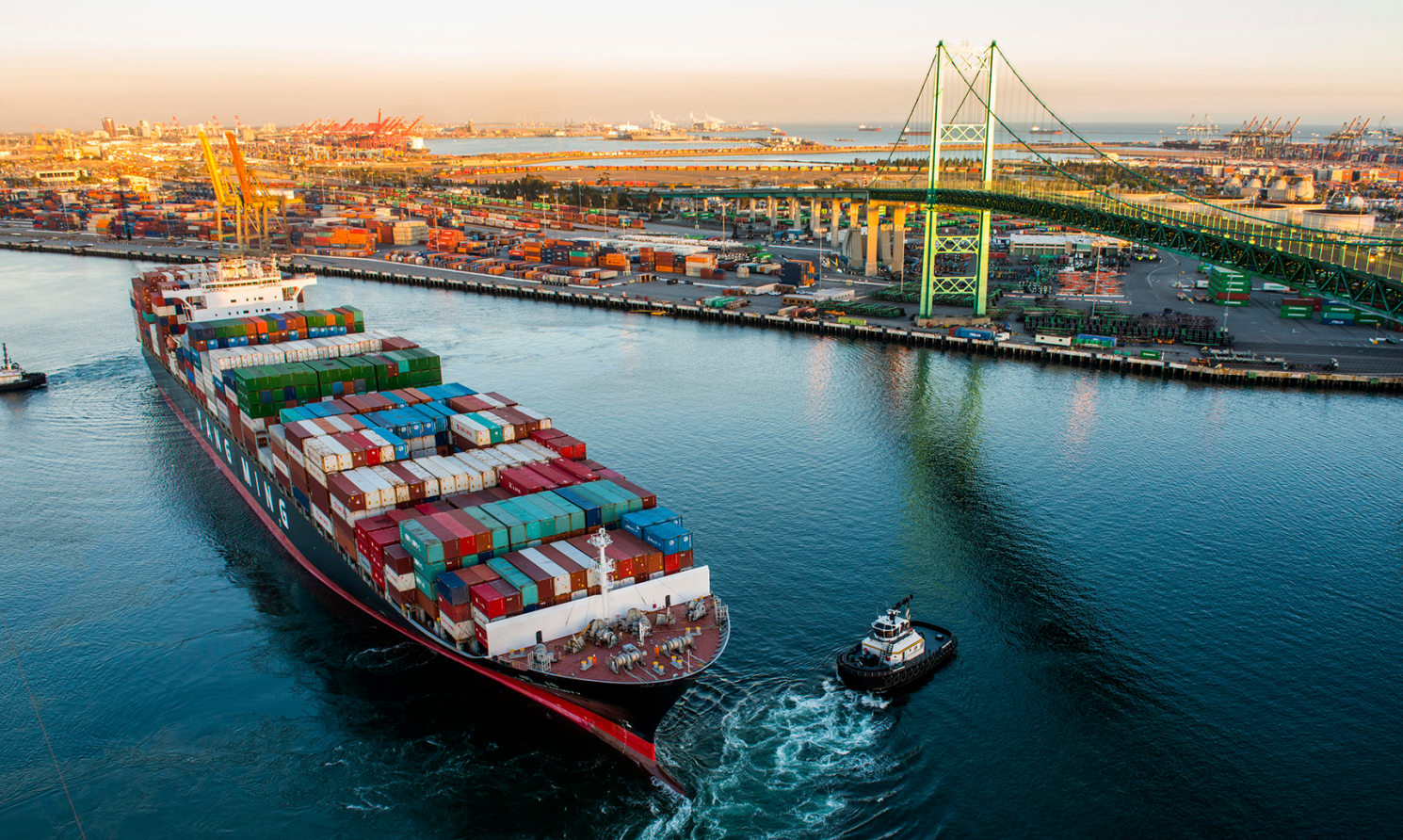
OOCL's current FAK rates remain valid through November 14, 2026: USD 8,400/40HQ to the U.S. West Coast and USD 11,800/40HQ to the East Coast/Gulf. PNC is additional at USD 337/CNTR, per container.
West Coast space remains tight. The room to request a discount is broadly unchanged from last week, at around USD 500–600/40HQ below FAK. Securing space is the harder part. A rate may be negotiable, but getting the whole shipment onto the intended sailing still requires confirmation voyage by voyage. For cargo with a tight delivery date, the loading plan needs to be settled alongside the rate request.
The East Coast cargo shortfall continues to widen. Requested reductions can now reach USD 2,000–3,000/40HQ, compared with USD 1,000–2,000/40HQ last week. FAK is unchanged, but there is more room to negotiate for individual shipments. If later sailings remain short of cargo, carriers may continue holding their published rates while using SPOT offers to fill the gap. The amount requested is not an approved rate; final pricing, charges and eligible sailings remain subject to OOCL's approval.
Canada is also tight, with rate and space conditions closer to those on the U.S. West Coast. Carriers are still using blank sailings to control deployment. Fewer departures concentrate cargo onto the sailings that remain, so some vessels can be difficult to book even without a clear increase in overall volume. Canadian quotes still need confirmation by destination port and service.
Freight Right's October 30 China–U.S. update continued to describe improving space availability and more consistent schedules in the bookings it observes. Recent OOCL shipments show a sharper difference between the two coasts. Better terms in November will depend on both the quoted rate and whether space is actually released.
Port developments also belong in the shipment plan
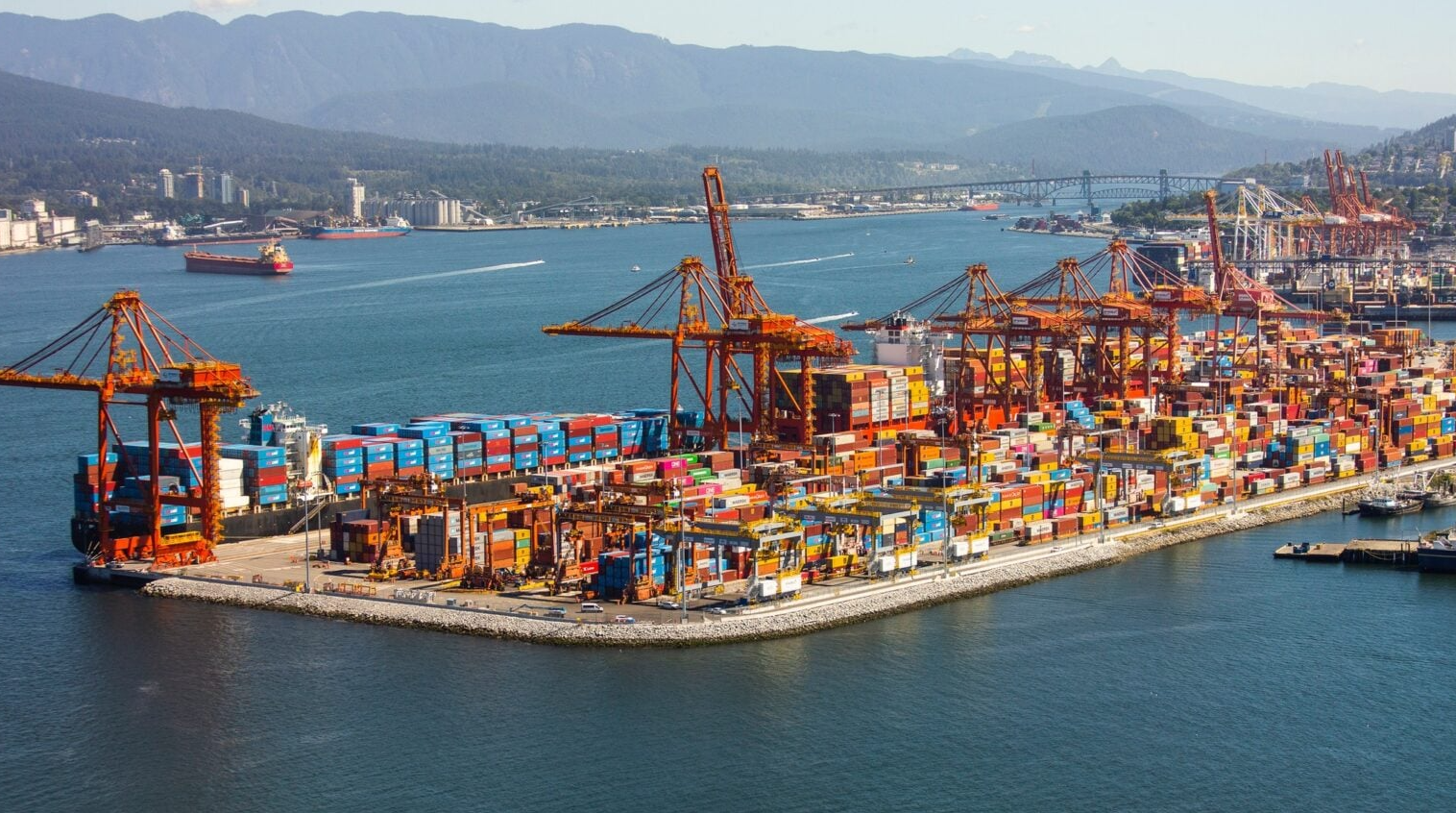
Los Angeles and Long Beach faced a potential strike from November 1 involving about 250 terminal security and cargo-watch personnel represented by ILWU Local 26. On October 30, the Pacific Maritime Association said the parties had signed a short extension through 5 p.m. Pacific Time on November 4, allowing negotiations to continue with federal mediation. The immediate strike threat has eased, but a new agreement has yet to be settled.
These workers handle terminal security, gate inspections and cargo-watch duties. Although the group is small, PMA warned that other ILWU members might refuse to cross its picket lines if a walkout occurs. That could extend the disruption to vessel handling, yards and truck gates at the relevant terminals. For cargo arriving soon, confirming the vessel's arrival is only part of the job: the terminal must also be releasing containers and truckers must be able to collect them as booked. November 4 is the next bargaining deadline. Another extension or an agreement would change that operational risk.
The Vincent Thomas Bridge closure follows shortly afterward. Under Caltrans' announced plan, the bridge linking San Pedro and Terminal Island is scheduled to close from the early hours of November 7, local time, for about 16 months for deck replacement and related work. On October 30, Los Angeles transportation officials also issued the associated bus rerouting arrangements.
For the bridge works, the Port of Los Angeles expects terminals to remain open with no loss of operating capacity, although detours may add time to some drayage trips. For cargo arriving in November and beyond, the practical questions are how many trips a truck can complete and whether terminal appointments line up with warehouse receiving slots. Containers with limited free storage time leave less room for last-minute trucking arrangements, making it useful to confirm the detour and delivery plan before arrival.
Separately, the October 30 international action associated with Ports in Action took the form of strikes, brief work stoppages or demonstrations at some European and Mediterranean ports. Demands included opposition to arms shipments and better working conditions. ILWU Local 10 and 34 members and supporters held a solidarity rally in Oakland that day. These actions are separate from Local 26's contract dispute at LA/LB; any operational effect depends on actual work shifts and gate arrangements at each port.
On costs, a USTR request for comments published on October 26 proposed a further two-month suspension of the Section 301 maritime measures concerning China, including the relevant port fees, through January 9, 2027. The existing suspension runs through November 9, 2026, Eastern Time. This remains an extension proposal. The final decision in early November will affect carriers' subsequent charge arrangements and pricing expectations.
November still depends on how the next sailings fill
The NRF/Hackett Associates forecast cited last week still provides context for the slowdown after peak season. Their October 8 release projected arrivals at the major U.S. retail import ports they cover to fall from 2.25 million TEU in October to 2 million TEU in November, a monthly decline of about 11.1%. These are arrival forecasts covering all origins, rather than a direct measure of how much cargo an individual service from China needs today.
Over the next two or three weeks, the East Coast test is whether wider discounts can close the cargo gap. If the shortfall persists and more later sailings accept reductions, there will be room to negotiate further. On the West Coast and in Canada, the question is whether the sailings remaining after blanks can consistently take new cargo. Easier space release would weaken current rate support. If space remains hard to secure, a lower index will not necessarily translate immediately into cheaper slots that are easy to book.
For shipments with firm plans, East Coast cargo can continue seeking spot discounts, while West Coast and Canada cargo should secure a sailing that can actually load it. Arrange collection, drayage and warehouse delivery alongside the ocean booking so that waiting costs do not consume the freight savings.
For market reference only. Specific rates, charges, space and applicable sailings are subject to final carrier confirmation.
Sources
Rates: Shanghai Shipping Exchange SCFI; route values in Economic Daily, October 30 and October 23. Weekly changes were recalculated from the two releases.
Bookings and demand: Freight Right, October 30 and NRF/Hackett Associates, October 8. OOCL quotes and space observations were added on November 2 from business communications.
LA/LB labor negotiations: Bloomberg, October 30 and gCaptain, October 30.
Port-area traffic: Caltrans closure announcement, Port of Los Angeles project information and LADOT, October 30. International labor action: USB statement, Associated Press, October 30 and Labor Video Project's Oakland rally account.
Port fees: USTR request for comments, October 26.
Back to Insights