TPT WEEKLY
The Transpacific Has Cooled. What Comes Next?
2026 W45 · November 2–8 TPT WEEKLY · Nick Market information through November 8, 2026, 23:59 China Standard Time
Last week, carriers were already cutting prices to pick up East Coast cargo, while the West Coast was holding up better. This week, East Coast spot rates fell below $10,000. West Coast rates came down by less.
Scroll across to compare all columns
| SCFI route | Oct 30 | Nov 6 | Week over week |
|---|---|---|---|
| U.S. West Coast base ports | 7,479 | 7,381 | −1.31% |
| U.S. East Coast base ports | 10,199 | 9,857 | −3.35% |
The table shows SCFI spot rates from Shanghai to base ports, in U.S. dollars per forty-foot equivalent unit (USD/FEU).
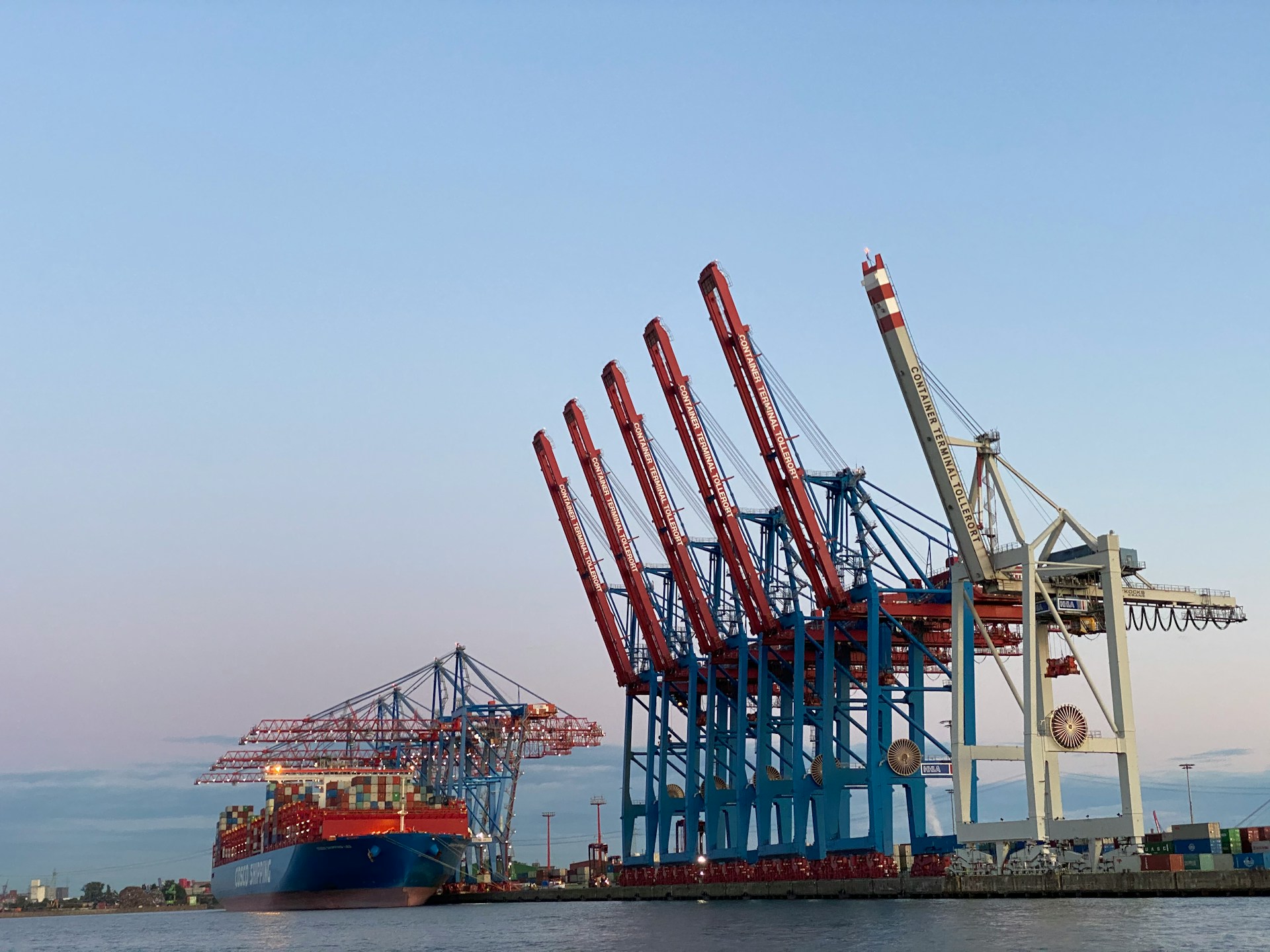
FAK rates hold as there is more room to negotiate
OOCL is keeping last week’s FAK rates in place through November 14.
On the West Coast, there was room to ask for roughly USD 500–600/40HQ off FAK last week. This week, that range is USD 1,000–1,300/40HQ, and space has been easier to secure.
East Coast sailings still need cargo. Last week, the range for discount requests was USD 2,000–3,000/40HQ. This week, it is USD 3,000–3,800/40HQ. These are reductions you can ask for against FAK. The discount OOCL approves and the space it releases depend on the sailing.
From this week’s booking feedback, rates to Canada are moving with the U.S. West Coast. Carriers are still using blank sailings to manage space on some services.
Los Angeles and Long Beach talks extended through November 20
Last week, the contract talks covering port watchmen in Los Angeles and Long Beach were extended to November 4. PMA and ILWU Local 26 agreed to two more extensions this week. The existing contract now runs through November 20, Pacific time, while talks continue.
The Vincent Thomas Bridge closed early on November 7 local time, as scheduled. The port expects terminals to stay open as usual, and trucks that use the bridge will have to detour.
Truck routes in Shenzhen also matter this month. During APEC, large trucks face restrictions on certain roads and ramps, including parts of the Nanping Expressway and Yueliangwan Avenue, on November 17–18. Hours vary by road. The restrictions on vehicles carrying dangerous goods are stricter. They are barred from roads citywide, including expressways, from November 16 to 20, which blocks container returns that require those vehicles during the restriction.
Foreign IORs should line up a qualified customs broker
On November 6, U.S. Customs and Border Protection (CBP) published its interim final rule on foreign importers of record (IORs), effective January 5, 2027. For formal consumption entries and informal entries that require Form 3461 or 7501, a foreign IOR needs to be CTPAT-validated or use a CTPAT-validated licensed customs broker. Under current eligibility rules, foreign IORs will generally need to use a validated broker.
May 6 is a separate date. It is the latest date by which CBP expects brokers to be fully compliant. Brokers can request extra time for the requirement to verify clients’ status as U.S. IORs. For cargo moving around the turn of the year, work back from the expected entry date and check who will serve as IOR and whether the current broker can file. That gives you time to switch brokers or sort out the authorization before the ship arrives.
The U.S. midterm elections could also affect the market. The Associated Press projects Democratic majorities in both chambers of Congress. House Democratic leader Hakeem Jeffries has put a push to roll back Trump’s tariffs on the agenda for the new Congress’s first 100 days. For now, calculate duties using the policies in force and watch for the bills Democrats introduce.
USTR made its final decision on the maritime Section 301 measures on November 6, following last week’s request for comments. The relevant vessel fees and related measures remain suspended through 23:59 Eastern time on January 9, 2027.
Rates still have room to fall
When I called the turning point a few weeks ago, I expected rates to hold at high levels for a while before coming down. They’ve started to fall, and I still expect the transpacific to weaken over the next two or three weeks.
A blank sailing can still push up prices on a particular departure. After the current FAK period ends on November 14, I expect carriers to roll the rates over or cut them slightly. If it takes deeper discounts to fill the next few sailings, there is still room for prices to fall.
For market reference only. Rates, charges, space and applicable sailings are subject to final carrier confirmation.
Sources
Rates and sailings are covered by the Shanghai Shipping Exchange SCFI and the Shanghai Shipping Exchange weekly report.
Port and road updates come from PMA (November 4), PMA (November 6), the Port of Los Angeles project page, ABC7’s bridge closure report and the Shenzhen police truck restriction notice.
U.S. trade and customs sources include the Federal Register (CBP rule), the CBP filing notice, AP’s congressional race calls, Jeffries’s letter and the USTR maritime Section 301 decision.
Back to Insights