TPT WEEKLY
US Freight Rates Keep Falling and Shippers Need to Plan Ahead
2026 W46 · November 9–15, 2026 TPT WEEKLY · Nick Public-market information through November 15, 2026, 23:59 China Standard Time; OOCL booking feedback added on November 17
US East Coast spot rates slipped below USD 10,000 last week. Both US lanes fell further this week, with the decline on the West Coast also gathering pace. On November 13, SCFI rates reached USD 7,111 for West Coast base ports and USD 9,387 for East Coast base ports.
Scroll across to compare all columns
| SCFI lane | November 6 | November 13 | Week on week |
|---|---|---|---|
| US West Coast base ports | 7,381 | 7,111 | −3.66% |
| US East Coast base ports | 9,857 | 9,387 | −4.77% |
Rates are in USD/FEU and cover Shanghai exports to base ports, including ocean-related surcharges. They do not represent the actual transaction price for every shipment.
OOCL has also lowered its latest freight-all-kinds (FAK) rates. The market continues to soften, but shippers may find lower quotes arriving alongside fewer sailing options.
Lower FAK rates and lower spot targets
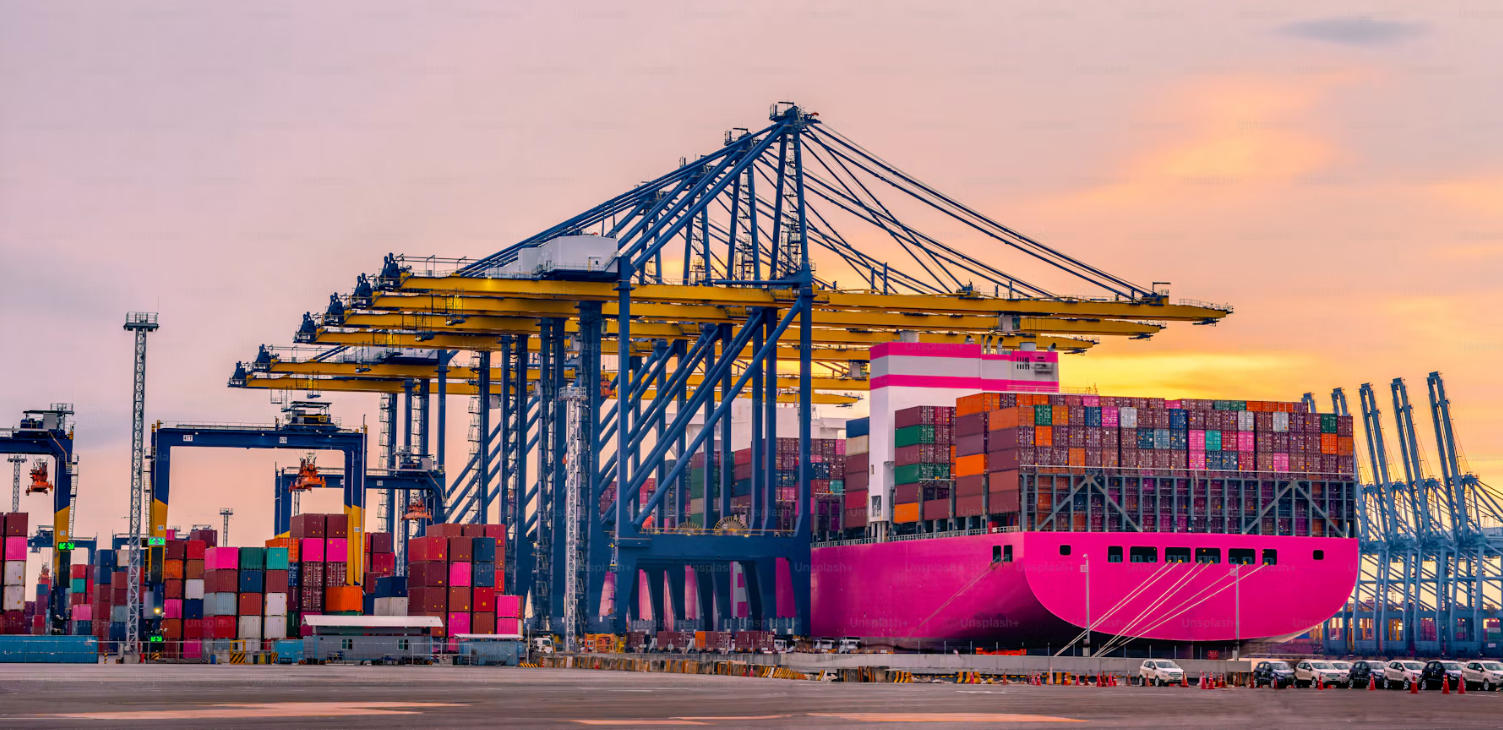
According to the latest booking discussions, OOCL's FAK rates have fallen to USD 7,700/40HQ for the US West Coast and USD 10,600/40HQ for both the US East Coast and Gulf. Requests for special rates can seek reductions of USD 1,000–1,200/40HQ from the West Coast FAK level and USD 2,800–3,000/40HQ from the East Coast and Gulf level.
Those reductions imply application targets of around USD 6,500–6,700/40HQ for the West Coast and USD 7,600–7,800/40HQ for the East Coast and Gulf. These are requested levels. Approval and available space still depend on the specific sailing.
The potential discounts are smaller than last week's, but the FAK base has come down. Calculated on the same basis as last week's quotes, the resulting target rates are still lower.
There is a separate fee change for the East Coast and Gulf. The same booking feedback indicates that the USD 337-per-container PNC surcharge is no longer charged from November 15.
Peak season arrivals remain high as new bookings slow
On November 9, the National Retail Federation and Hackett Associates updated their import outlook for major US container ports. September's actual volume was a still-elevated 2.37 million TEU. The report projects 2.26 million TEU for October, 2.05 million for November and 2.03 million for December. November's forecast is about 9.3% below October's, while remaining 1.2% higher year on year.
Volumes are easing from peak season levels rather than contracting across the board. NRF also says most holiday merchandise has already arrived in the United States. With the main seasonal shipping push winding down, replenishment demand may be insufficient to fill the capacity deployed during the peak.
These figures measure arrivals from all origins at the US ports covered by the report. Cargo now on the water was booked weeks earlier. New bookings at Chinese origins will determine load factors on the next round of sailings. Busy US terminals and lower carrier quotes in China can therefore coexist.
Over the next few weeks, the balance will depend on whether cargo volumes fall faster than carriers cut capacity. If sailing frequency holds, special rates will remain under pressure. Tighter capacity management could instead help rates on individual sailings stabilize first.
Blank sailings can bring lower rates and fewer options
A softer market raises the likelihood of carriers using more blank sailings to manage capacity. Cancelling departures concentrates cargo on the sailings that remain, helping carriers support load factors and rates. Falling prices do not automatically produce more reliable schedules.
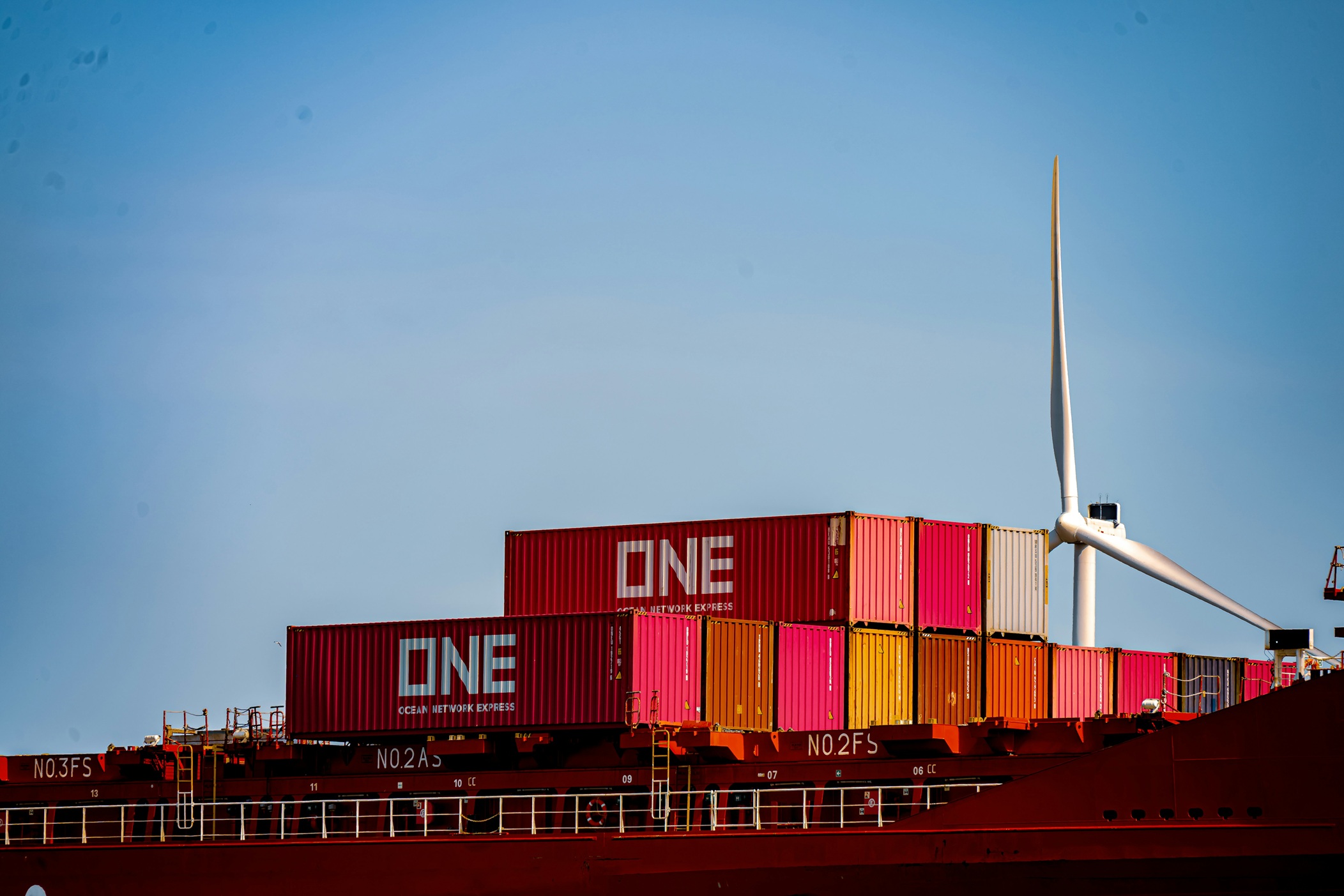
Among the forward adjustments, ONE previously announced the cancellation of an eastbound PN3 sailing originally scheduled to call Qingdao on November 29. The service then calls Ningbo and Shanghai before crossing the Pacific to Vancouver and Tacoma. One cancelled sailing affects several Chinese ports of loading and bookings to both Canada's West Coast and the US Pacific Northwest.
For shippers, the immediate loss is the planned departure window. Moving to the next sailing depends on the space left on it. Switching services requires a fresh check of cutoffs, transshipment connections and destination delivery timing. The remaining sailings can briefly become tight after a cancellation, even while market rates continue to fall.
The more likely pattern ahead is a broadly softer market with fluctuations on individual sailings. If more carriers cancel departures in the same shipping window, supply chain schedules will remain under pressure. Load factors on the remaining sailings will determine whether those capacity cuts can actually steady rates.
Keep negotiating but protect the delivery window
Constraints remain at destination. NRF's latest report describes cargo backing up at some West Coast ports while waiting for rail transfer. The contract covering port watchmen at Los Angeles and Long Beach, discussed in the previous issue, has been extended through November 20 local time. That is a date to watch in the negotiations, rather than a confirmed stoppage date. An agreement or a further extension would change the operational risk.
With possible gaps in departures from China and inland connections in the United States still under pressure, delivery plans need to allow for more than the ocean transit alone. For cargo with a firm warehouse arrival date, work backward from that deadline through production completion, container pickup, cutoffs, port arrival and inland delivery. Allow room to switch to the next feasible sailing on the service concerned.
Shippers can keep negotiating in a weaker market while confirming their target sailing and alternatives early. Cargo with scheduling flexibility can wait for later quotes. For time-sensitive shipments, waiting for a lower rate can consume the buffer intended for blank sailings, late departures and pickup delays. Any freight saving needs to be weighed against the cost of recovering a delayed delivery.
The US trade still looks set to soften over the next two to three weeks. If carriers need further concessions to attract cargo after cutting FAK rates, prices will remain under pressure. If more blank sailings fill the remaining departures, the declines may narrow. Shippers should put departure planning first and leave a usable buffer in the schedule.
For market reference only. Final rates, charges, space and applicable sailings remain subject to carrier confirmation.
Sources
Rate definitions: Shanghai Shipping Exchange SCFI. November 13 and November 6 lane values: Anue and Economic Daily News, respectively. OOCL quotes and the PNC change are based on booking discussions.
Demand and port conditions: NRF and Hackett Associates report dated November 9. Sailing adjustments: ONE blank sailing advisory and service rotations. Labor negotiations: PMA statement.
Back to Insights